
Last updated November 22, 2026
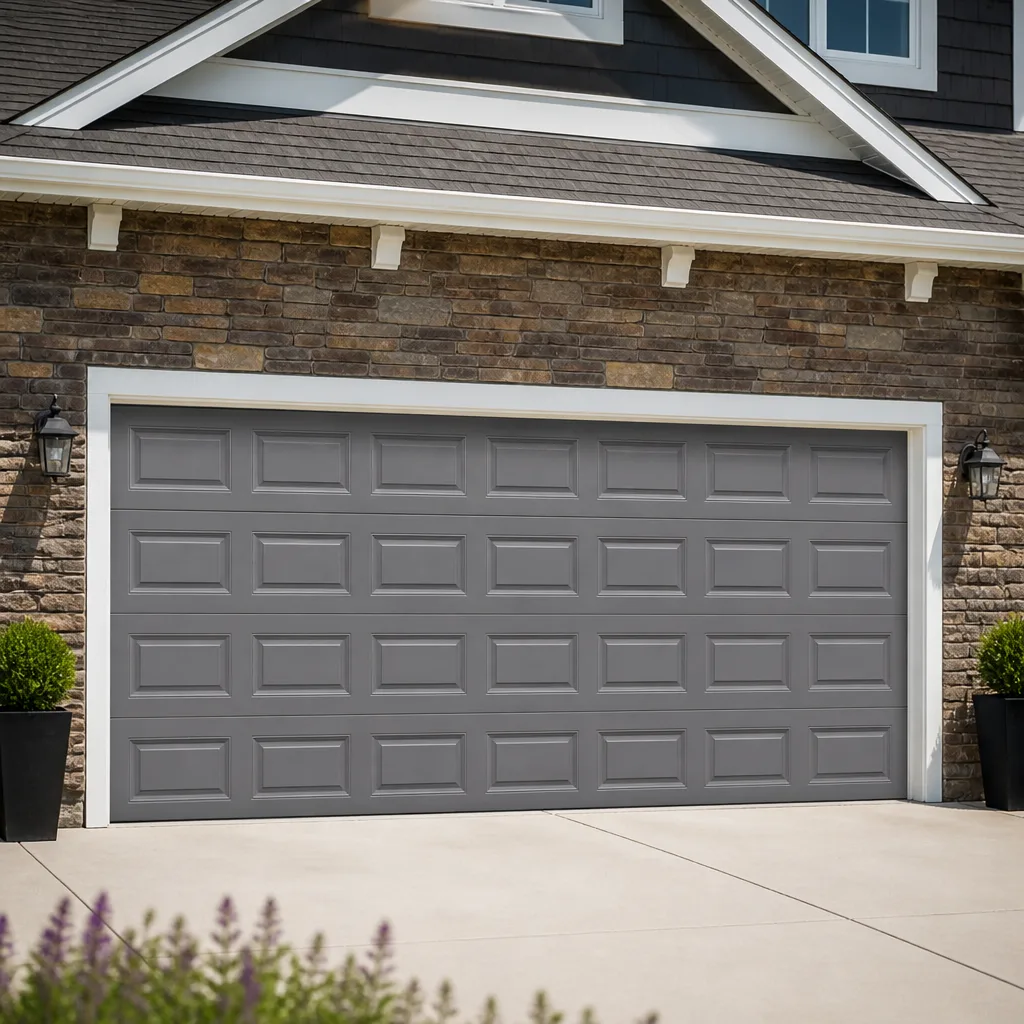 Raised-panel steel
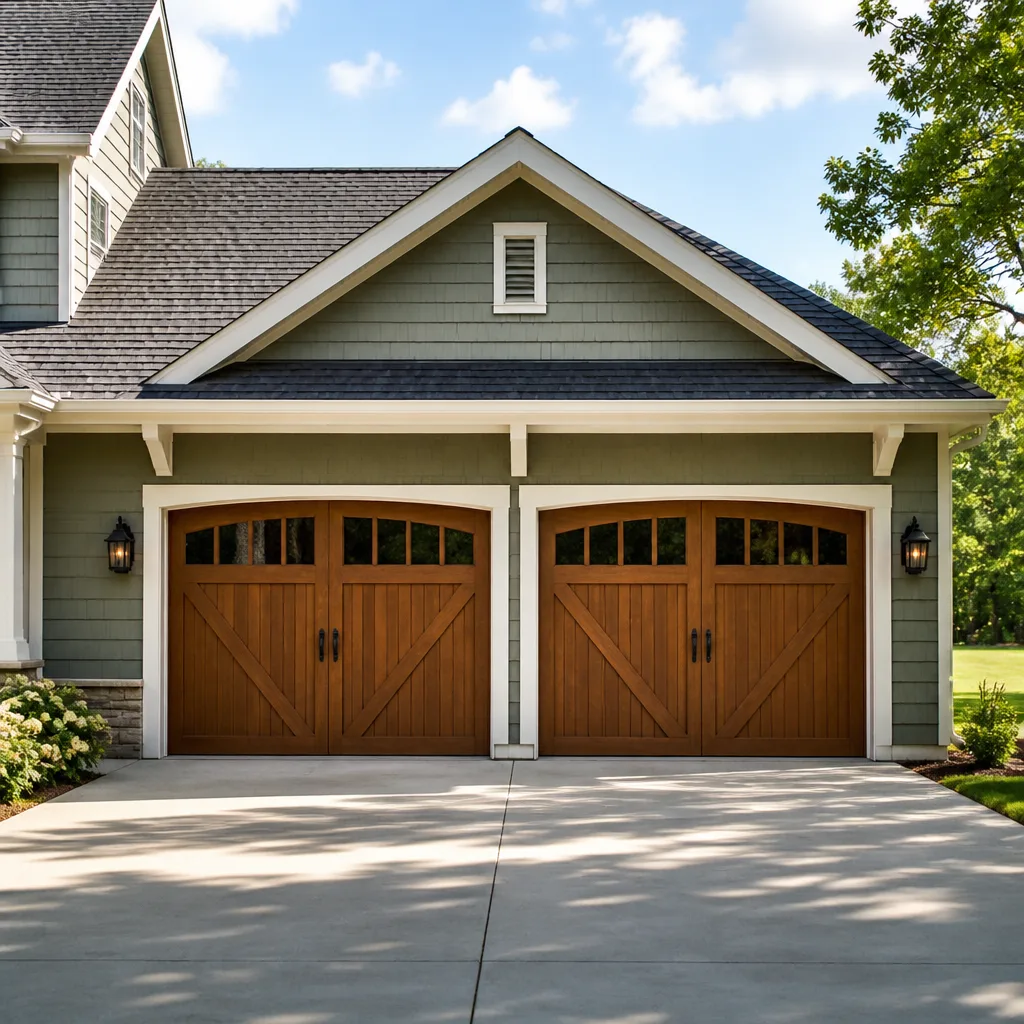 Carriage house
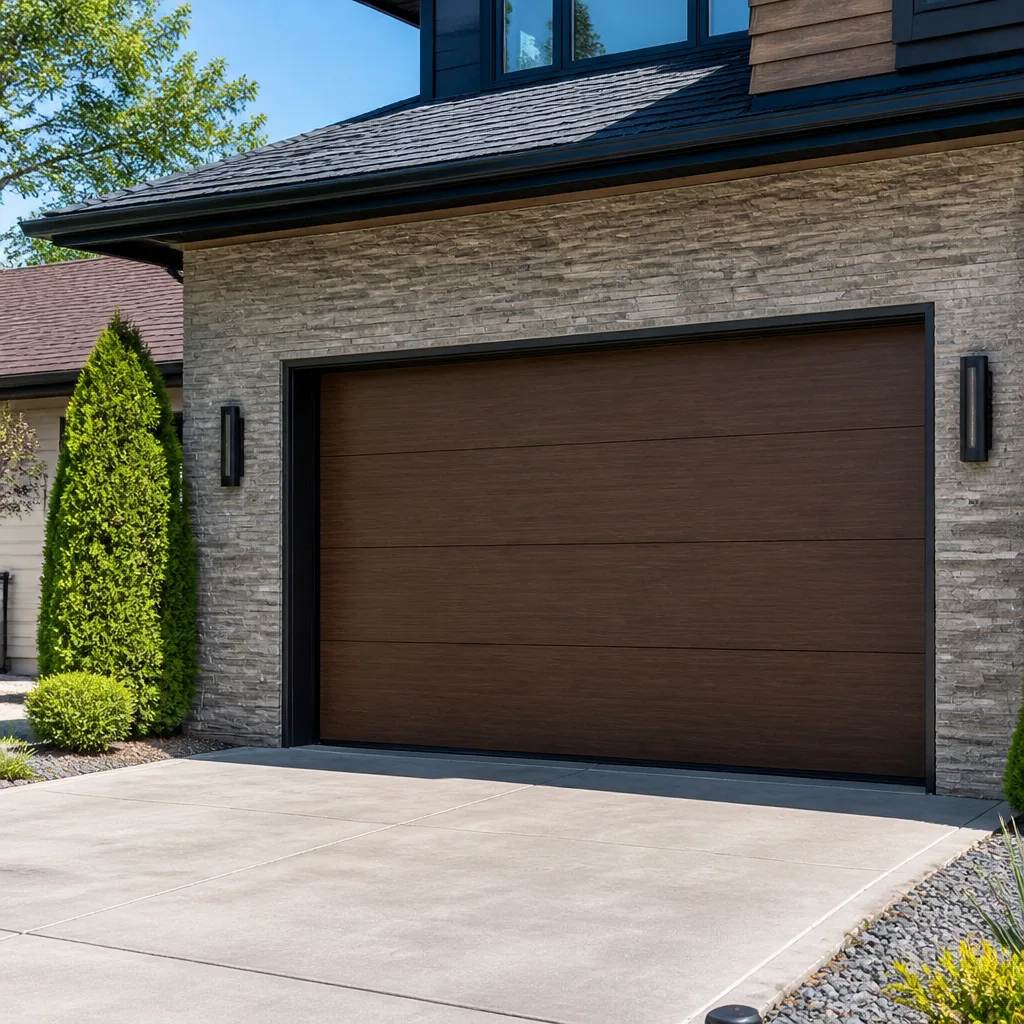 Modern flush
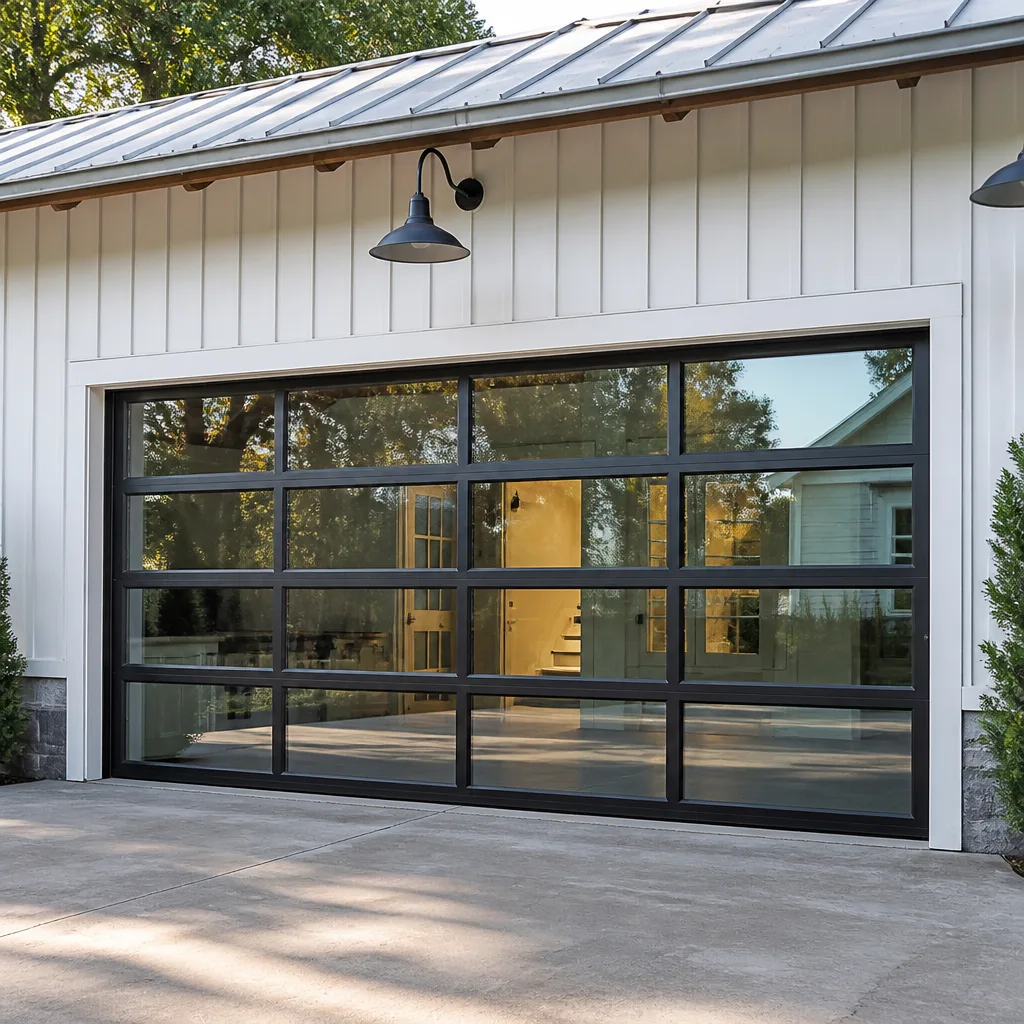 Full-view glass
 LiftMaster openers
 Chamberlain openers
Full 25-point door and opener safety check with every visit - springs, cables, rollers, tracks, and your LiftMaster or Chamberlain opener included
You get a price before we start. It does not change when the pro arrives.
Get your free estimateGarage Door Repair Maintenance Checklist for Downers Grove Homeowners
The number one cause of an “unexpected” garage door failure is a maintenance step that takes about four minutes and costs under $10, and most homeowners have never done it. It isn’t lubrication in general. It’s putting the right lubricant on the right part, because the wrong one quietly eats the plastic rollers in your door and the spring oil you bought at the hardware store isn’t doing what you think. A generic checklist tells you to “lubricate moving parts” and leaves you there. This guide is calibrated to what actually fails in Downers Grove: the parts, the weather windows, and the small symptoms that signal a problem weeks before it strands your car inside. You’ll get a task-by-task checklist, a lubricant compatibility guide, the visual inspection points that predict a spring failure, and the two dates on the calendar you can’t skip.
Quick Answer
A garage door maintenance checklist for a Downers Grove home should cover monthly visual checks, lubrication every three to six months, hardware tightening and balance testing twice a year, and a technician-only inspection of the torsion springs, cables, and opener force settings once a year. Time the heavy checks to late October, before the first hard freeze, and early March, after the last freeze-thaw cycle. Everything above the spring line is a professional job; everything below it is yours.
Styles & brands we work with
- Raised-panel steel
- Carriage house
- Modern flush
- Full-view glass
- LiftMaster openers
- Chamberlain openers
Table of Contents
- Why Downers Grove Weather Is Hard on Garage Doors
- The Full Maintenance Checklist, Task by Task
- Lubricant Compatibility: What to Use and What Damages Which Parts
- Spring Warning Signs: What to Look For Before Failure
- Seasonal Timing and the Downers Grove Freeze-Thaw Cycle
- Keeping a Service Log That Actually Helps a Technician
- Owner Tasks vs. Technician-Only Tasks
- Common Mistakes to Avoid
Why Downers Grove Weather Is Hard on Garage Doors
A garage door is a machine that lives outside, and in Downers Grove it lives through a full four-season cycle every year. Summer humidity swells wood door panels and works into every hinge pin. Fall brings leaves and grit into the tracks. Winter delivers the real damage: repeated freeze-thaw cycles push water into the smallest gaps around the bottom seal, the hinges, and the track mounting points, then expand it overnight. That expansion is relentless, and it loosens hardware that was tight in October.
The freeze-thaw pattern matters because it happens dozens of times across a Downers Grove winter, not once. Each cycle nudges a bolt a fraction of a turn and works a little more moisture into the bottom weather seal. By the time the ground thaws in March, the door has been through months of this, and the first warm weekend is when homeowners notice the door is louder, slower, or dragging on one side.
There’s a second local factor: the garages in older Downers Grove neighborhoods, particularly around the historic downtown blocks and the tree-lined streets near the Village, tend to be detached or attached single-bay structures with a wooden door and an opener that’s been in place a long time. Older doors are heavier, and heavier doors load their springs harder. A door that has survived a decade of Chicago-area winters is due for a close look.
We work on the brand you already have, whether that’s a Clopay steel door on a newer build or a Wayne Dalton from the 1990s on a bungalow near downtown. The door’s age and construction tell us what to inspect first, and the season tells us what’s likely to fail next.
The Full Maintenance Checklist, Task by Task
Here’s the honest version, sorted by how often you should do it and how long it really takes. Nothing on this list takes an hour, and most of it takes under ten minutes once you know what you’re looking at.
Monthly (about 5 minutes)
- Visual sweep of the door and tracks. Look for cracks in the panels, loose bolts at the hinges, and debris in the vertical tracks. A small crack in a steel panel grows with flexing.
- Listen. Run the door up and down once. Grinding, squealing, or a sharp pop are all information.
- Check the bottom seal. It should touch the floor evenly along its whole length. A gap at one corner means the door is out of balance or the seal is worn.
Every 3-6 months (about 15 minutes)
- Lubricate hinges, rollers, and the torsion spring. See the lubricant section below for exactly what to use and where.
- Tighten hinge and bracket bolts. A socket wrench or a screwdriver, depending on the fastener. Snug, not gorilla-tight.
- Wipe the tracks clean. A damp rag, then dry. Don’t oil the tracks.
- Test the safety reverse. Put a piece of wood or a roll of paper towels on the floor in the door’s path and close it. The door should reverse on contact.
Twice a year (about 20 minutes)
- Balance test. Disconnect the opener (pull the red release cord), lift the door to about halfway, and let go. A balanced door stays put. A door that drifts down or slams is out of balance, and that’s a spring tension issue for a technician.
- Inspect the rollers. Nylon rollers should spin freely and look smooth. Steel rollers that are flat-spotted or wobbly need replacing.
- Check the opener’s photo-eye alignment. The two small sensors near the floor should have a steady light on each and respond when you pass a hand between them.
Annually (technician)
- Torsion spring and cable inspection. A trained eye can spot the wear that predicts failure.
- Opener force and travel settings. These drift over time and need a proper adjustment.
- Full hardware assessment. Hinges, bearings, drums, and the bottom bracket.
If a balance test or a visual check turns up something you can’t fix with a wrench, that’s the point to book a garage door repair rather than wait for the failure. The tools you need for the owner tasks: a socket wrench set, a screwdriver, a can of the right lubricant, a rag, and a level of patience with yourself. That’s it.
Lubricant Compatibility: What to Use and What Damages Which Parts
This is the section that saves you money. The single most common mistake we see is a homeowner reaching for the blue-and-yellow can of WD-40, spraying every moving part, and calling it maintenance. Regular WD-40 is a solvent-based water displacer, not a lubricant. It cleans, and it leaves a thin film that attracts grit and dust. On your door, that film turns into a grinding paste inside the hinges and coats the spring in a residue that holds dirt.
What to use where
- Torsion spring: a proper garage door lubricant or a white lithium grease. Spray a light coat along the length of the coil, not a soaking. The spring should look slightly glossy, not dripping.
- Hinges: white lithium grease or a dedicated garage door lube. One short spray per hinge, worked in by cycling the door.
- Rollers: a garage door lubricant designed for the roller stem, or a light machine oil. Nylon rollers need very little; over-lubricating them attracts grit that wears the nylon faster.
- Tracks: nothing. Clean and dry. Oil in the tracks collects debris and makes the rollers slide instead of roll.
- Opener chain or screw drive: a manufacturer-appropriate chain lube, applied sparingly. Check your opener’s manual – a Genie screw drive and a LiftMaster chain drive don’t want the same treatment.
What damages what
- WD-40 on plastic or nylon rollers leaves a film that degrades the nylon surface and attracts abrasive dust. The rollers then wear faster, not slower.
- Silicone spray on the tracks makes the door move quietly for a week and then collects grit that scores the rollers.
- Grease on the photo-eye lenses blocks the beam and the door won’t close. Keep lubricant away from the sensors.
- Motor oil on the spring runs, drips onto the door, and stains the finish. It doesn’t penetrate the coil the way a proper spray does.
- Too much of anything is its own problem. A light coat, worked in, beats a heavy one every time.
The right part isn’t the only thing that matters; the right lubricant is the difference between a door that lasts and a door that eats its own rollers. If you’re not sure what your door has on it, ask us. It’s a quick answer and it’s free.
Spring Warning Signs: What to Look For Before Failure
Torsion springs are the most dangerous component on a garage door. They store an enormous amount of energy, and when they let go it happens suddenly and without warning. That’s why spring work belongs to trained technicians with the right tools and the correct spring specifications for the door’s weight and size, not to a homeowner with a wrench and a YouTube video. But you can absolutely learn what to look for, and that inspection is about observation, never adjustment.
Visual inspection points on a torsion system
- The coil gap. Look along the length of the spring. A uniform coil with even spacing is healthy. If you see a gap widening in one section, the spring has stretched and lost tension.
- Rust and corrosion. A spring with surface rust is a weakened spring. In Downers Grove, winter road salt tracked onto the door and the garage slab accelerates this.
- The winding cone and set screws. A gap between the cone and the spring, or a set screw that’s backed out, is a stop-and-call situation.
- The cables. They should be taut, straight, and free of frayed strands or kinks. A cable that’s slipped off its drum is a serious safety issue.
- The drums at the top of each side. Cables should be wound neatly and evenly. A loose or crossed cable means the door is not under proper control.
- Sound and motion. A door that slams at the bottom, jumps at the top, or hangs crooked is telling you something is wrong with the spring system.
The three-week warning window
In our experience, most spring failures don’t come out of nowhere. A stretched spring, a slightly backed-out set screw, or a cable that’s starting to fray will show up weeks before the failure, and the door will usually start behaving differently first – heavier, noisier, or slower to open. The homeowner who does the monthly two-minute look catches that window. The homeowner who doesn’t finds a door that won’t open on a Tuesday morning with a car trapped inside. If you see any of the signs above, call for a garage door spring repair rather than testing your luck. Remember that pricing for a spring is per spring, and matched pairs are usually replaced together.
Seasonal Timing and the Downers Grove Freeze-Thaw Cycle
There are two non-negotiable check windows in Downers Grove: late October and early March. Not because we like those dates, but because they bracket the freeze-thaw cycle that does the most damage to a garage door in this climate.
Late October: the pre-freeze check
Before the first hard freeze, everything that can hold water needs to be tightened and sealed. The bottom weather seal, worn or cracked, lets meltwater into the door and then freezes it there. Hinge bolts that are loose in October will be looser by March. The tracks shift a little as the ground heaves. This is the window to lubricate, tighten, replace the bottom seal if it’s shot, and get the balance test done. Miss it and the freeze-thaw cycle starts with the door already behind.
Early March: the post-thaw check
When the ground thaws in March, the door has been through a whole winter of expansion and contraction. This is when the damage shows up: hardware that’s worked loose, a seal that’s pulled away from the floor, a track that’s out of plumb, a spring that’s been stressed through a cold season. The March check catches these before the heavy spring and summer use. It’s also the right time to look hard at the spring and the cables, because a spring that survived the winter may still be on its last legs.
Why in-between timing still matters
Downers Grove gets thaws in January and freezes in April, so the calendar isn’t the whole story. If you get a warm snap mid-winter and the door starts sounding different, don’t wait for March. And if you have a garage door opener repair you’ve been putting off, the pre-freeze window is the time to get it done, because a manual door you have to lift by hand in January is a bad way to start a morning.
For the rest of the year, the monthly and quarterly checks run on their own rhythm. The two big windows are simply the ones you can’t skip.
Keeping a Service Log That Actually Helps a Technician
A service log sounds like a chore until you have a recurring problem and neither you nor the technician can remember when it started. A good log makes diagnosis faster, and faster diagnosis means fewer return visits. Here’s what’s worth writing down.
The minimum useful log
- Date and what was done. “November – lubricated hinges and spring, tightened bolts” is enough.
- Who did it. Owner, or the name of the company and the technician.
- Any parts replaced. The brand and model if you have it. “LiftMaster opener” is enough if that’s all you know.
- Symptoms you noticed. “Door slow at the bottom,” “clunking on the up cycle,” “remote works intermittently.” These notes are gold when something recurs.
Why it matters for diagnosis
A recurring opener problem is often two different problems wearing the same mask. A remote that works intermittently could be the battery, the wall control, the photo-eyes, or the logic board. If the log shows the battery was replaced in March and the symptom came back in June, that narrows the search. The same applies to a door that’s noisy or slow – knowing the last time the rollers were replaced changes what a technician checks first. With eight brands in regular rotation – LiftMaster, Chamberlain, Genie, Clopay, Amarr, Wayne Dalton, Craftsman, and Raynor – the exact model makes a real difference, and the log is how you keep it.
A simple template
You don’t need software. A notebook in the garage works fine, as does a note on your phone. Four columns: date, what was done, who did it, and what you noticed. That’s the whole log. If you’d rather keep it digital, a shared note with your household is the easiest way, so the next person knows what’s already been checked.
Owner Tasks vs. Technician-Only Tasks
The most important line in this guide is the one between what you should do and what a trained technician should do. Crossing it is how homeowners get hurt.
Safe owner tasks
- Visual inspection of the door, tracks, and hardware
- Lubricating hinges, rollers, and the spring with the right product
- Tightening hinge and bracket bolts with a wrench or screwdriver
- Cleaning the tracks with a damp rag
- Testing the safety reverse and photo-eye sensors
- Replacing the bottom weather seal
- Replacing remote batteries and opener light bulbs
- Keeping the service log
Technician-only tasks
- Adjusting, replacing, or winding torsion springs
- Replacing or re-seating cables
- Adjusting the opener’s force and travel settings
- Replacing hinges (the spring tension is on the system)
- Straightening or re-plumbing tracks that have shifted
- Replacing rollers on a door with a torsion system
- Diagnosing the logic board or motor on any opener
The reason the spring line matters is energy. A torsion spring under load is a stored force that can release in an instant, and the tools to do the job safely aren’t in a typical homeowner’s garage. Our technicians have up to 8 years of experience with exactly this hardware, and they use the right tools and the correct spring specifications for the door’s weight and size. When it can’t wait – a door that won’t open, a spring that’s clearly failed, a car trapped inside – that’s what emergency garage door service is for. Call (844) 967-3561 and we’ll get the door back up and running. We answer 24/7. Fast dispatch from 7am to 7pm, Sunday through Friday.
Common Mistakes to Avoid
- Using WD-40 as a lubricant. It’s a water displacer, and it leaves a residue that turns into grinding paste on hinges and rollers. Use a proper garage door lube, and don’t spray the tracks at all.
- Skipping the late-October check. The freeze-thaw cycle starts whether the door is ready or not, and a bottom seal that lets water in during October will be a frozen, cracked seal by January. The pre-freeze check is the one Downers Grove homeowners most often forget.
- Lubricating the tracks. Quiet tracks feel like progress, but oil collects grit and the rollers start sliding instead of rolling. Keep the tracks clean and dry.
- Forcing a door that won’t open. A door that’s stuck usually has a spring, cable, or opener problem, and forcing it does more damage to more parts. Stop and call.
- Assuming the balance test is a technician job. It takes two minutes with the opener released, and a door that won’t hold halfway is telling you the spring system needs attention. That’s information you can gather without touching anything dangerous.
- Ignoring a change in sound. A door that’s suddenly louder, or that clunks at one point in its travel, is signaling wear on a specific part. Waiting for it to fail usually means a bigger repair.
- Not keeping a log. When a problem recurs, the log is the fastest route to the cause. Without it, the technician starts from scratch every visit.
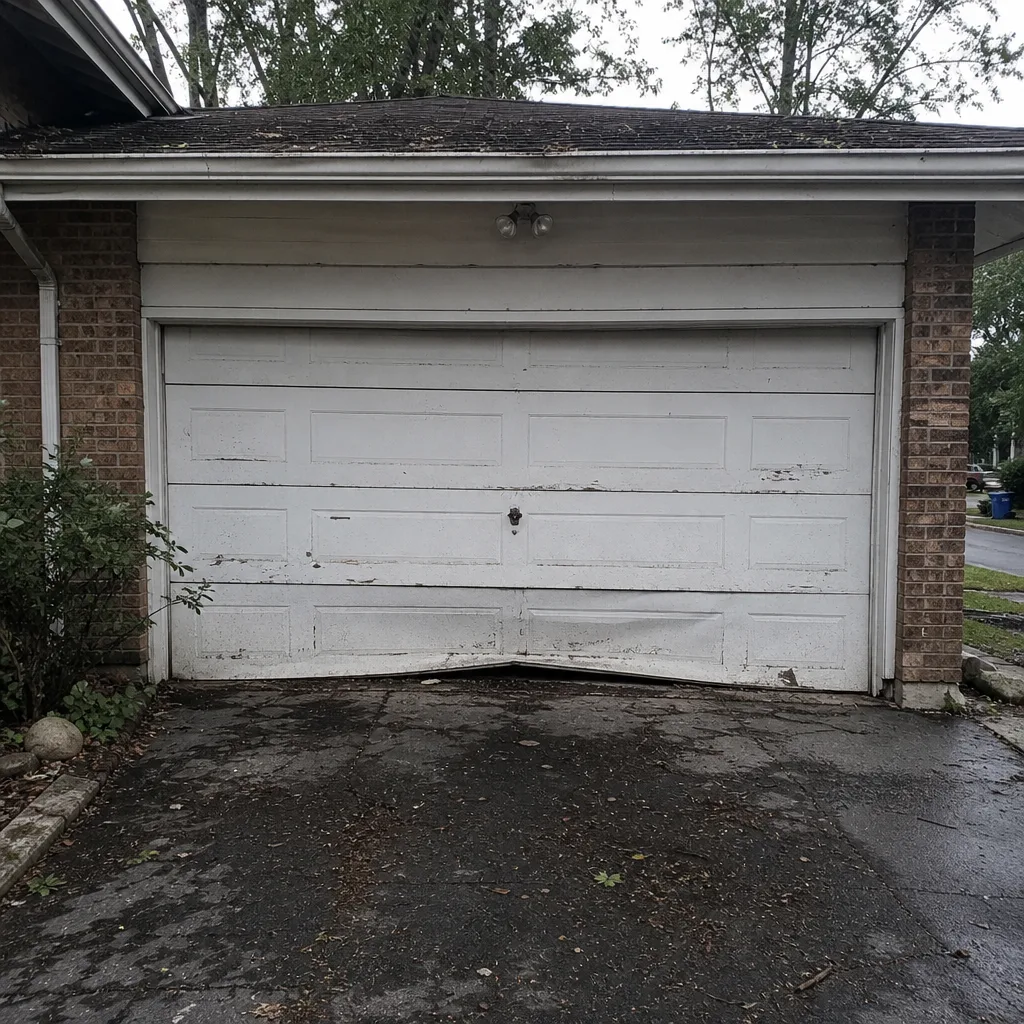
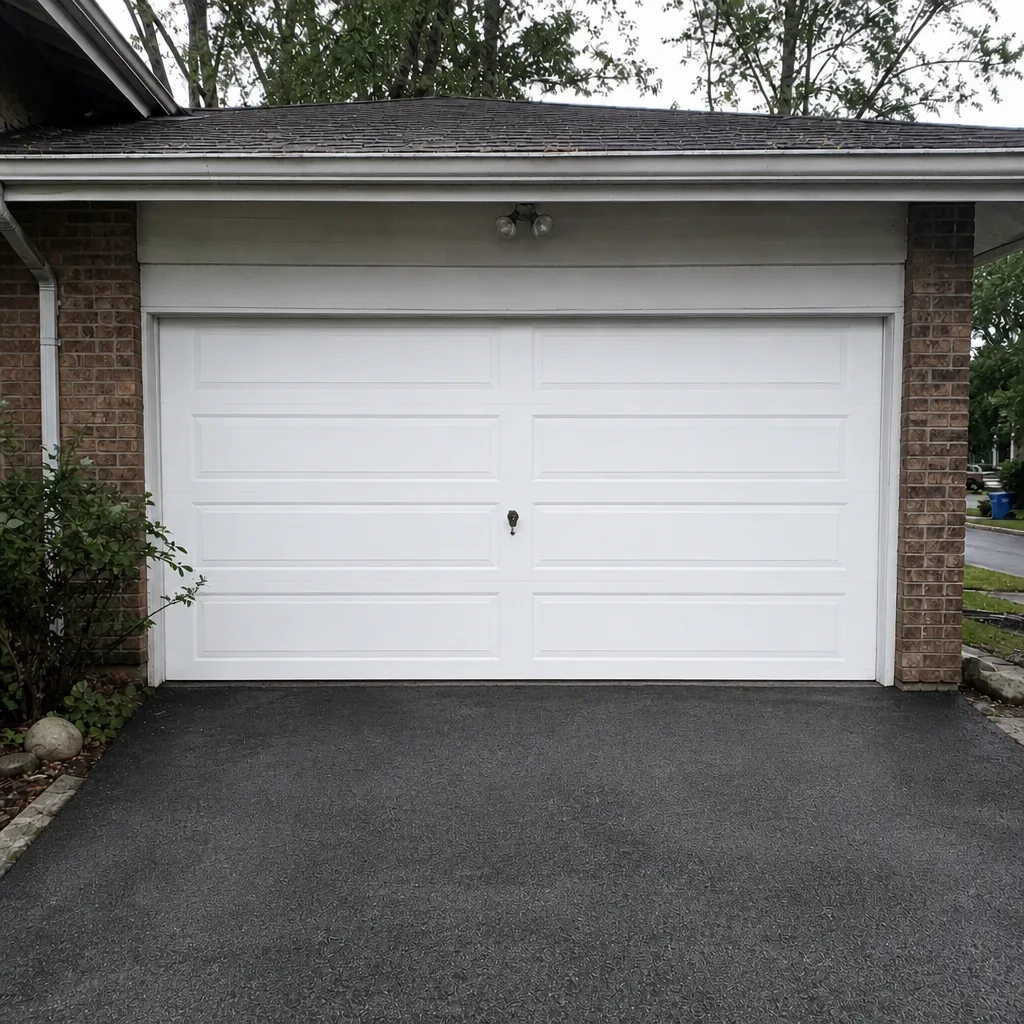
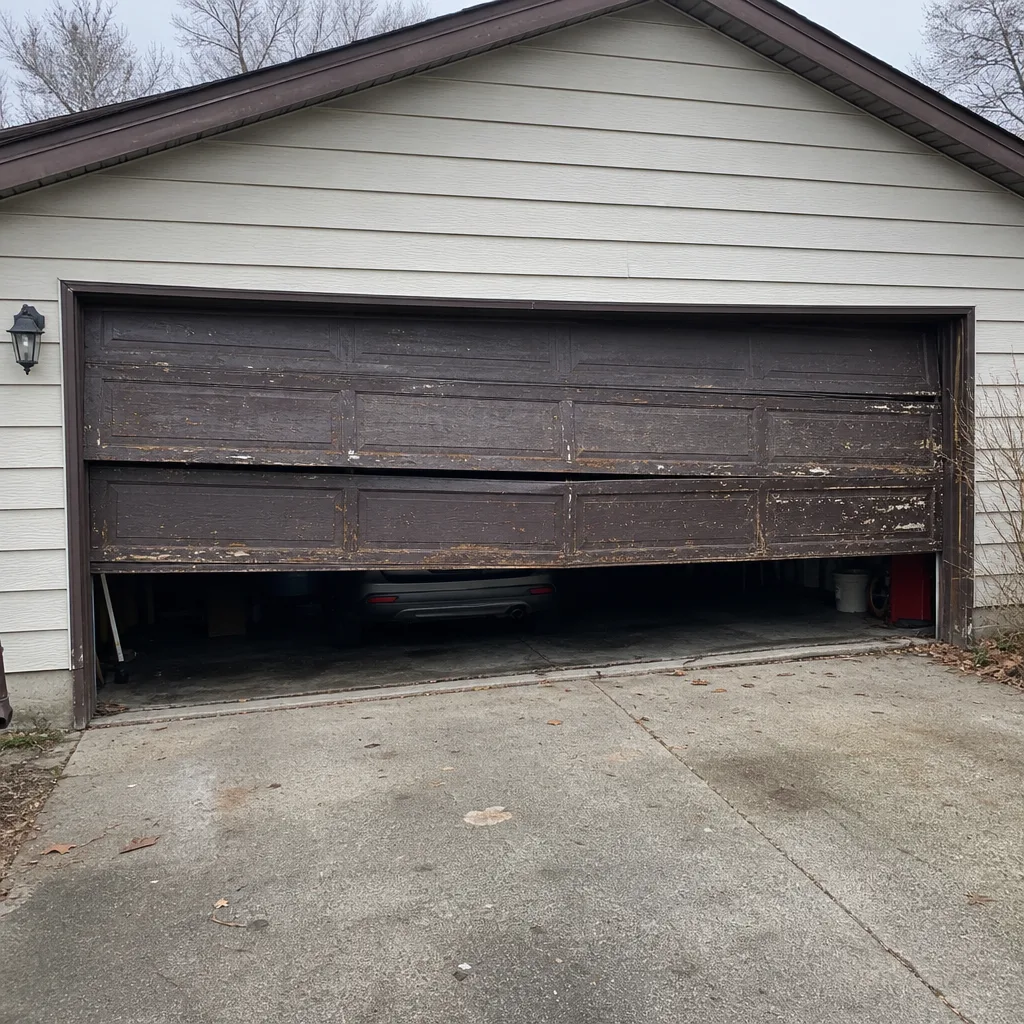
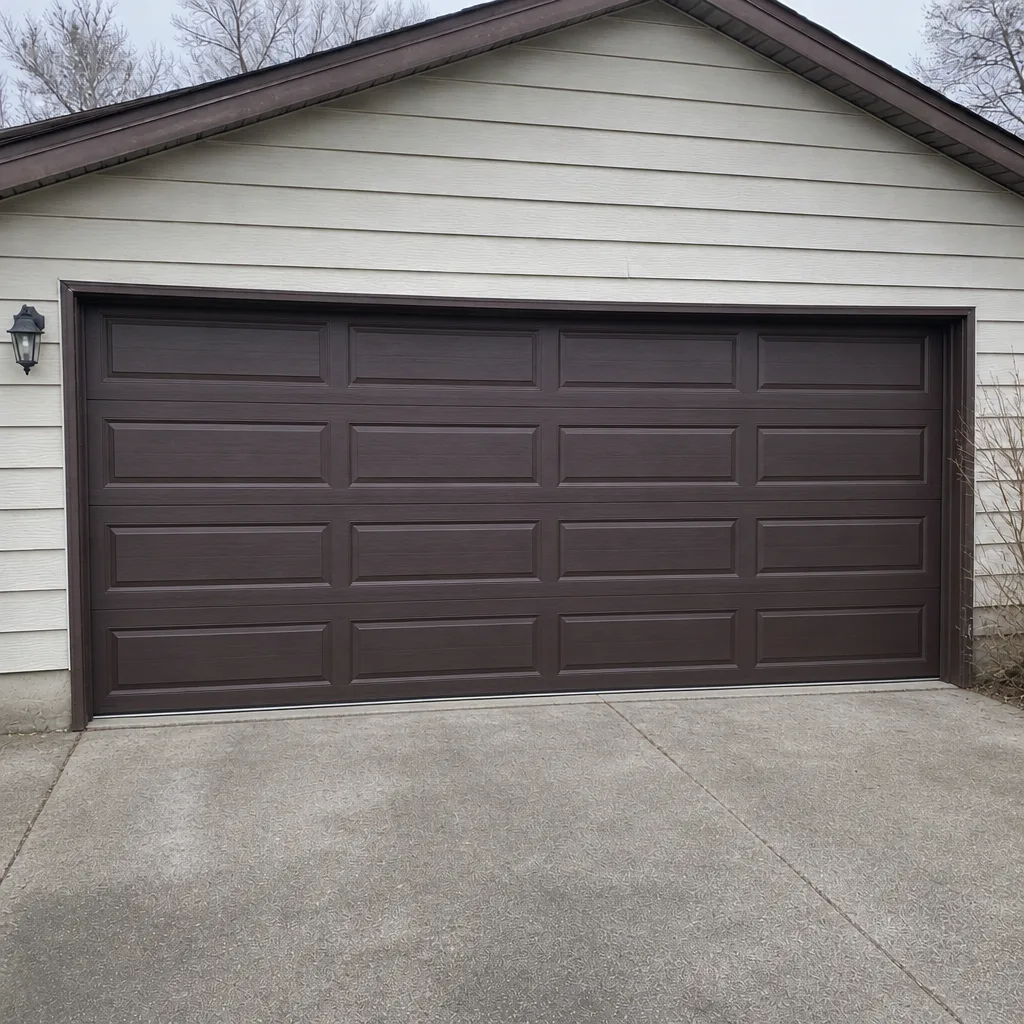
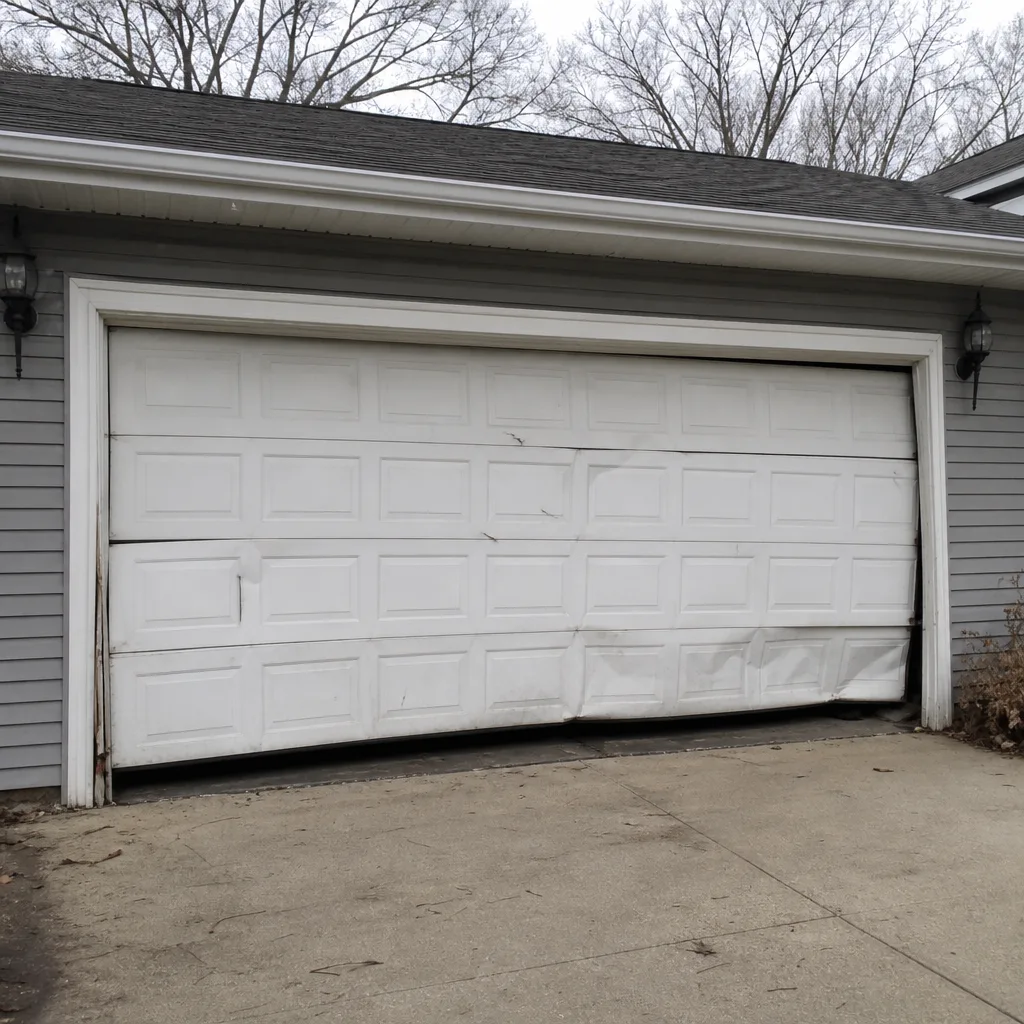
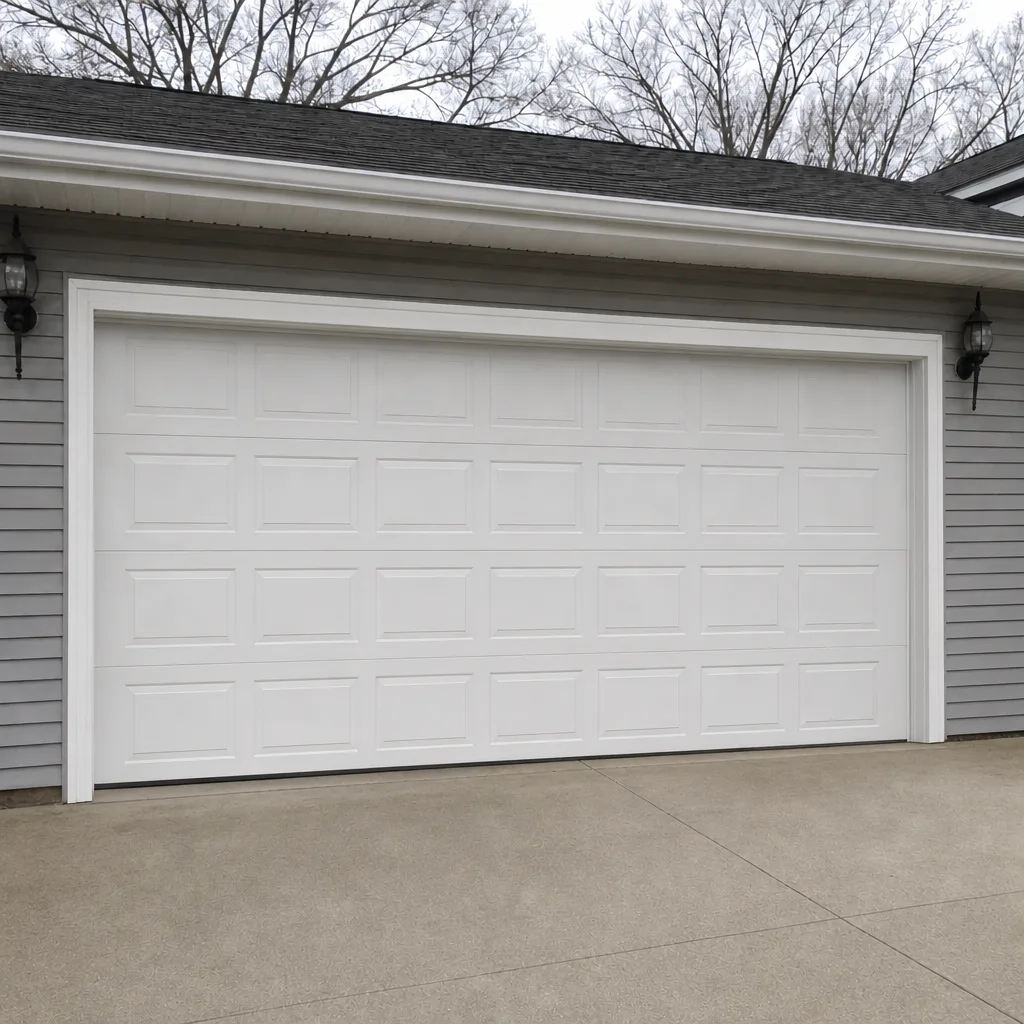
See the difference
 Before
 After
 Before
 After
 Before
 After
When to Call a Professional
Call a professional for anything above the spring line – springs, cables, drums, hinges under tension, track alignment, and opener force settings. Call us if the door won’t open or close, if it’s been forced, if a spring has visibly failed, if the door is crooked, if the opener runs but the door doesn’t move, or if you’ve noticed any of the spring warning signs and don’t want to wait. Downers Grove Garage Door Repair Co offers free estimates in Downers Grove, a written price before any work starts, and emergency service for a door that can’t wait. Our technicians have up to 8 years of experience and carry the right part the first time, whether your door is a Clopay, an Amarr, a Wayne Dalton, or a Raynor. Call (844) 967-3561 for a free estimate. We answer 24/7. Fast dispatch from 7am to 7pm, Sunday through Friday.
Frequently Asked Questions
Every three to six months is right for a home here, with the late-October and early-March checks as the anchor points because they bracket the freeze-thaw cycle. Use a proper garage door lubricant on hinges, rollers, and the torsion spring, and leave the tracks dry. If your door is older or has been noisy, book a Downers Grove Garage Door Repair Co visit to check the hardware you can’t see. Call (844) 967-3561 for an exact quote – estimates are free.
Yes, regular WD-40 is the wrong product for plastic and nylon rollers because it leaves a film that attracts abrasive dust and wears the nylon faster. It’s a water displacer, not a lubricant. Use a dedicated garage door lube instead, and use it sparingly. If you’re not sure what’s safe on your door, call (844) 967-3561 and we’ll tell you.
A widening gap in the coil, surface rust, or a set screw that’s backed out are the earliest signs; a door that suddenly feels heavier or won’t stay at halfway is the behavior that follows. Any of these is a call-a-technician moment, not a do-it-yourself one. We handle spring repair on the brands you already own, including LiftMaster and Chamberlain systems, and we quote the price in writing before we start. Call (844) 967-3561 for a free estimate.
Often, yes – we offer same-day service for repairs and emergencies where a door is a safety or access problem. For a full replacement or new-door installation, the work is measured, ordered, and scheduled, so that’s not a same-day job. Either way, the price is quoted and agreed before any work starts. We answer 24/7. A call outside dispatch hours is booked into the next opening, Sunday through Friday, 7am to 7pm.
No. The written estimate sets the price, and it’s quoted and agreed before any work starts. What we find on the door doesn’t change the number you agreed to; if a hidden problem turns up, we tell you what it is and what it costs before anything else is done. For an exact quote on a repair or installation, call (844) 967-3561 – estimates are free.
The local pro who comes to your door is licensed and insured as the state requires, and works on the equipment you already own. Our technicians have up to 8 years of experience with the major brands, and the work is backed by a written price and a clear description of what will be done. Call (844) 967-3561 to book a free estimate.
The Bottom Line
A garage door in Downers Grove fails in a predictable order, and the maintenance checklist in this guide is built to catch the failures before they happen. The four-minute task that stops most breakdowns is the right lubricant in the right place, and the two dates that matter are late October and early March. Everything above the spring line belongs to a trained technician; everything below it is yours. Keep a log, do the monthly look, and you’ll spend less on repairs and far less on surprises. When in doubt, call a specialist who works on your brand.
Ready for a free estimate on a repair, a spring replacement, an opener, or a full new door? Call (844) 967-3561 today. We answer 24/7. Fast dispatch from 7am to 7pm, Sunday through Friday.
Written by the team at Downers Grove Garage Door Repair Co.