
Last updated November 22, 2026
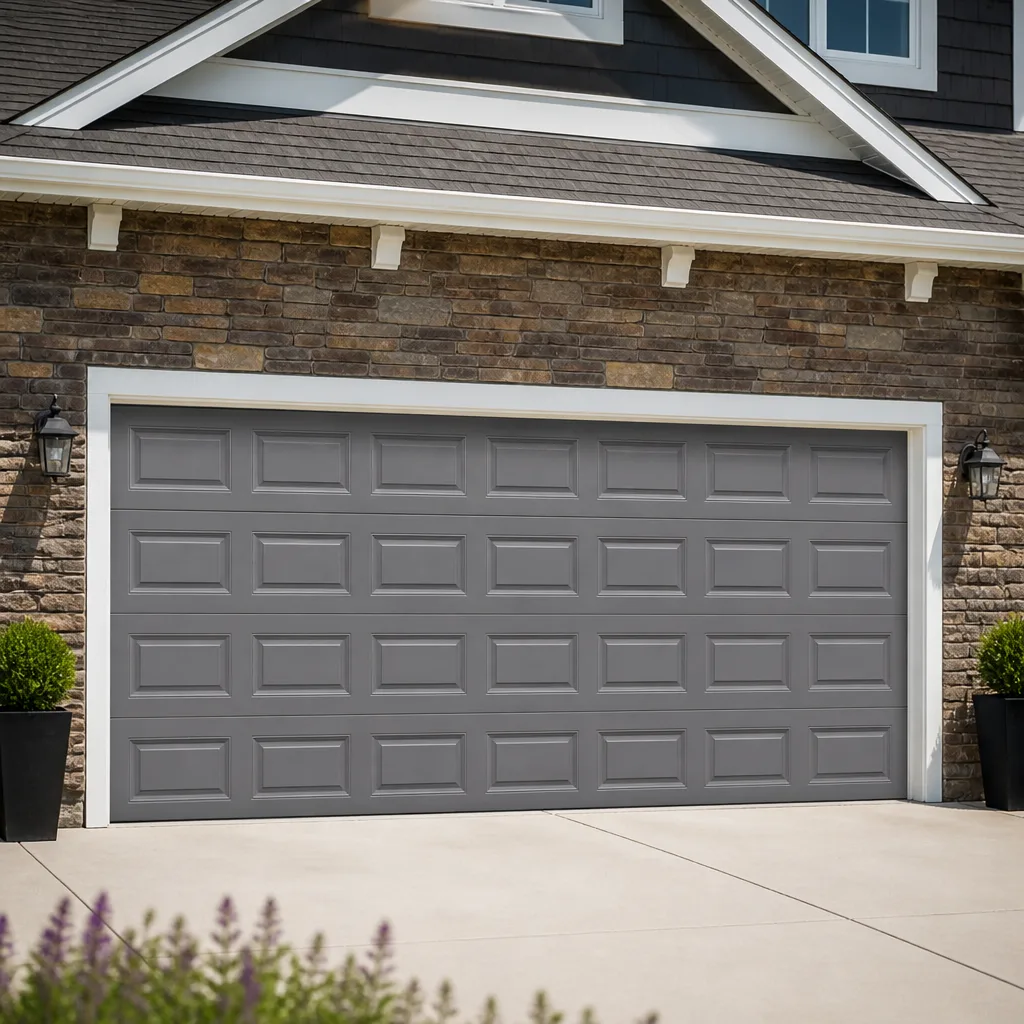 Raised-panel steel
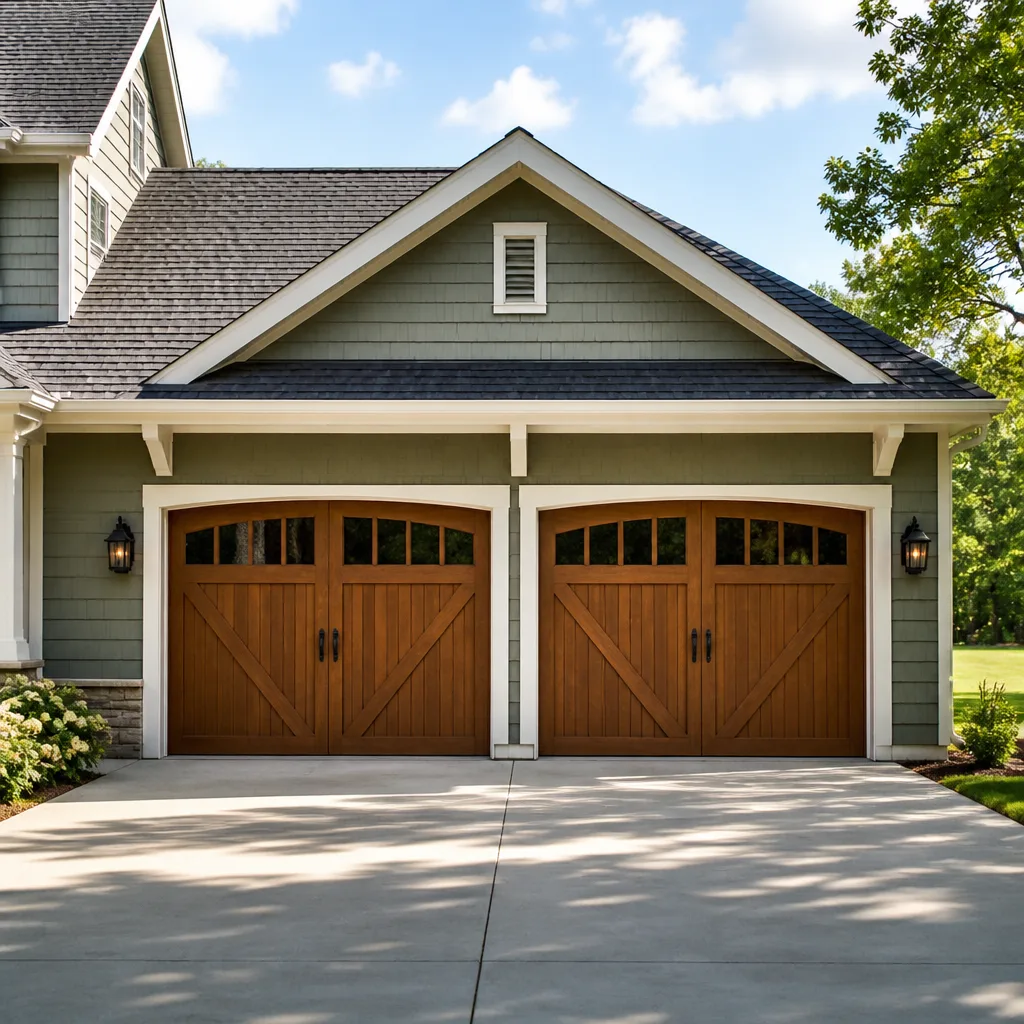 Carriage house
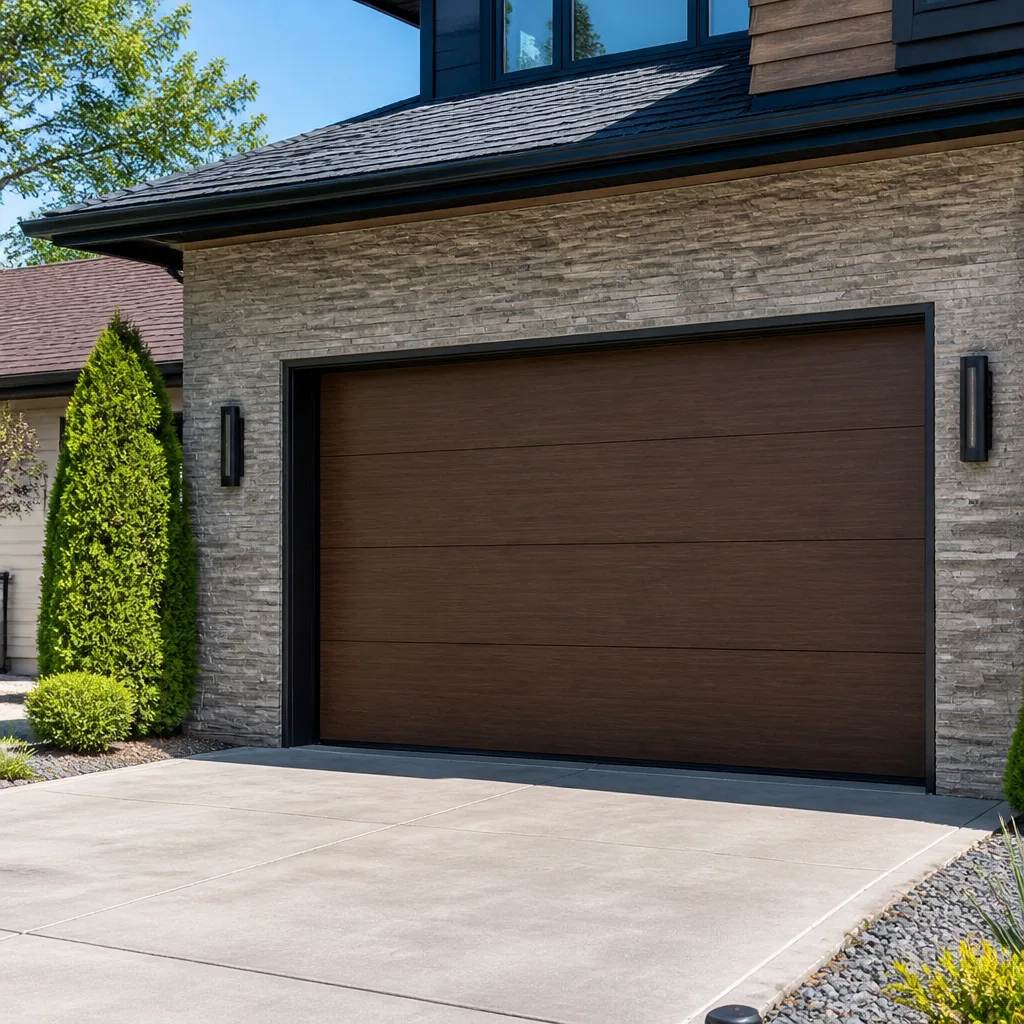 Modern flush
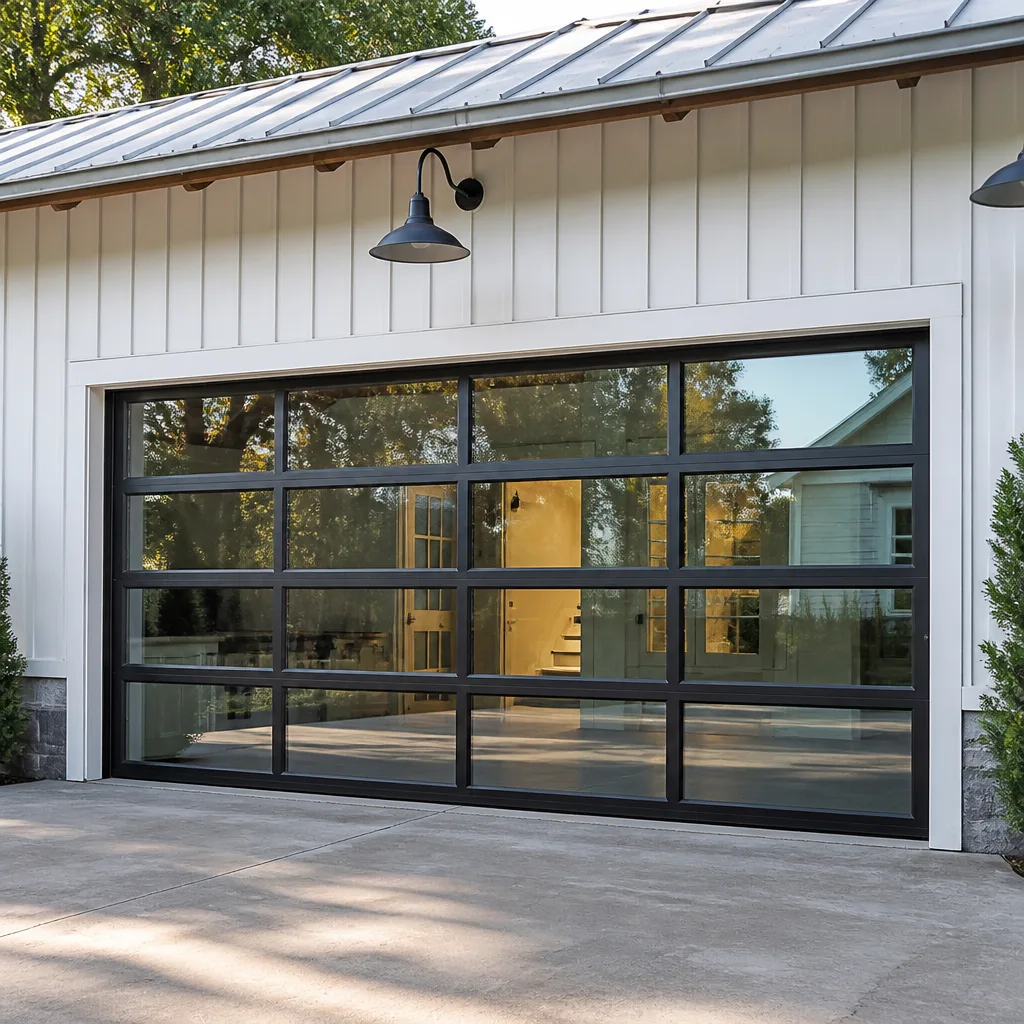 Full-view glass
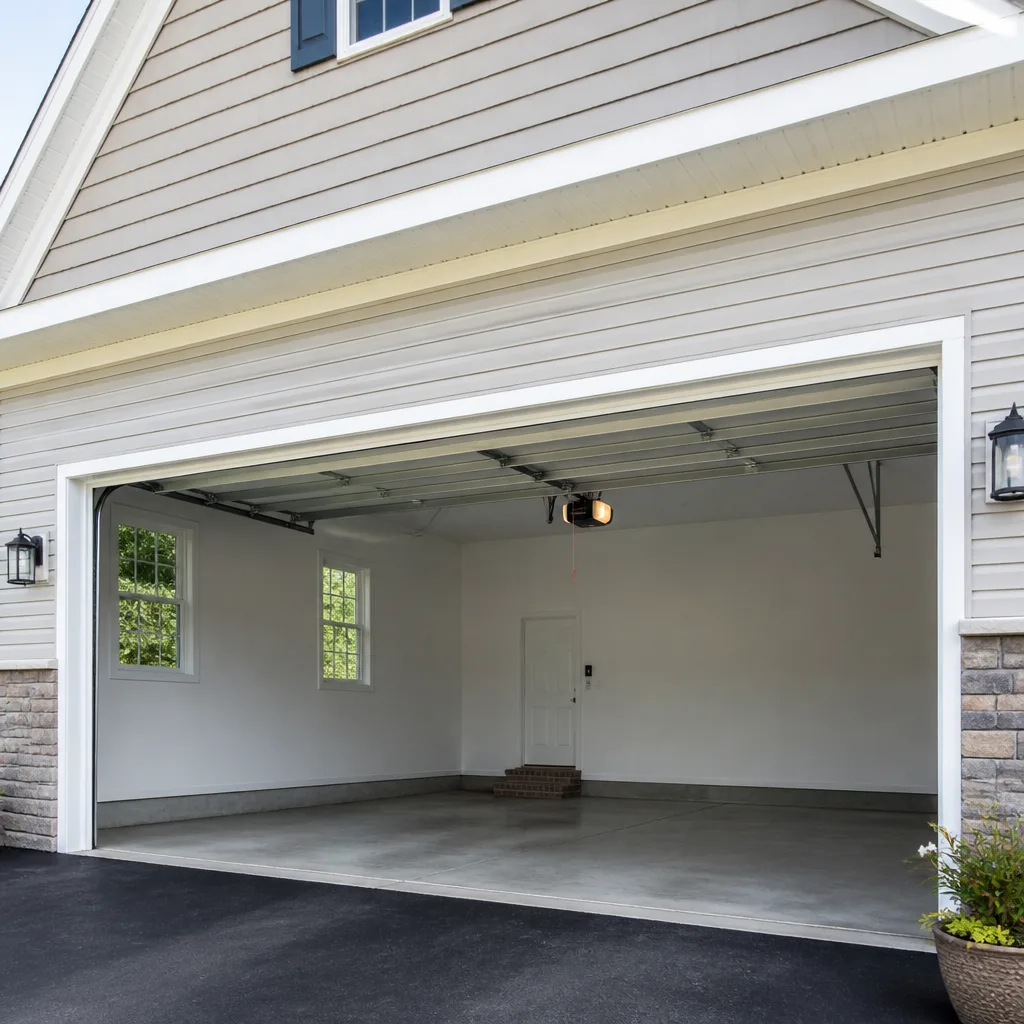 LiftMaster openers
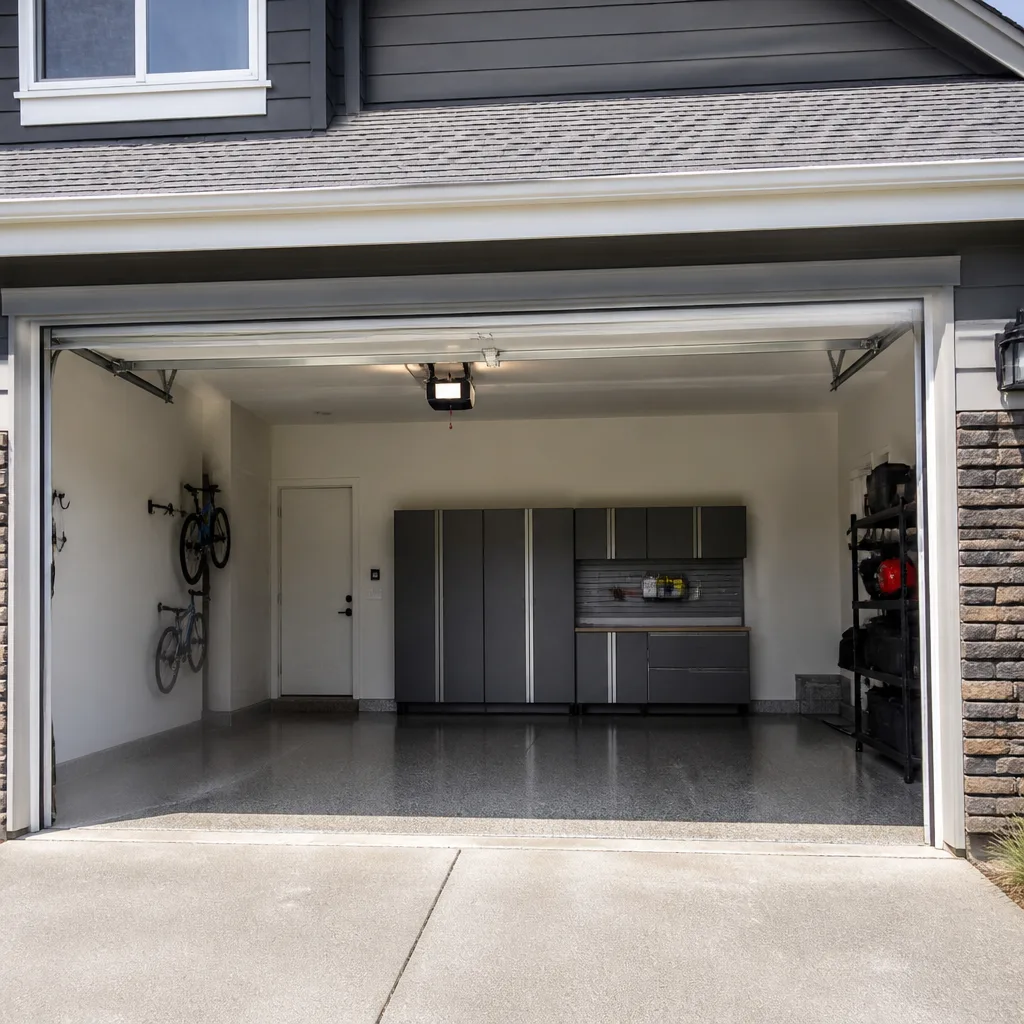 Chamberlain openers
Full 25-point door and opener safety check with every visit - springs, cables, rollers, tracks, and your LiftMaster or Chamberlain opener included
You get a price before we start. It does not change when the pro arrives.
Get your free estimateGarage Door Warning Signs: A Downers Grove Homeowner’s Reference Guide
Garage doors almost never fail without a warning. They grumble, slow down, reverse for no apparent reason, or start leaving a fine trail of metal dust on the floor, and the failure, when it finally comes, is usually the loudest version of a symptom that’s been building for weeks. The trap is that most of us aren’t listening. The treadmill in the garage drowns out the pop. The door “just seems a little slow,” so we stop noticing. This guide is a homeowner’s reference for exactly those moments. It names the symptoms precisely, sorts them into three honest severity tiers (monitor, schedule with a professional, stop using the door and call us), and explains what each sound or behavior actually points to. Every section stands alone, so if you’re reading this in Downers Grove on a Tuesday with a door that suddenly sounds different, jump straight to the sound-based diagnosis.
Styles & brands we work with
- Raised-panel steel
- Carriage house
- Modern flush
- Full-view glass
- LiftMaster openers
- Chamberlain openers
Quick Answer
Garage door problems fall into three severity tiers: monitor (a slow-returning light beam, minor tracking noise), schedule with a professional (a slowing door, a single frayed cable strand, an opener that reverses intermittently), and stop using the door immediately (a snapped spring, a cable that has come off its drum, a door that won’t stay up, a gap between the door and its frame). When in doubt, err on the side of the higher tier. Calling a garage door specialist on a Tuesday afternoon is always cheaper and easier than dealing with a door that has dropped or jammed itself shut.
Table of Contents
- Why Garage Door Symptoms Are Worth Listening To
- The Three-Tier Severity Framework
- Spring Warning Signs: The Slowdown You Should Never Ignore
- Cable Warning Signs: Frayed vs. Jumped
- Opener Warning Signs: Reversals, Belt Slipping, and Remote Lag
- Sound-Based Diagnosis
- What Downers Grove Weather Does to a Garage Door
- Common Mistakes to Avoid
- When to Call a Professional
- Frequently Asked Questions
- The Bottom Line
Why Garage Door Symptoms Are Worth Listening To
Think about how rarely you look at your garage door. It opens, it closes, the car pulls out, the door shuts, and most homeowners don’t examine the hardware behind it on any kind of schedule. But a garage door is a balancing act. The springs carry most of the weight (a typical single-car door can weigh several hundred pounds, and a double door more), the cables guide and secure the door, the opener handles a small fraction of the lifting work, and the tracks funnel the whole thing straight up and down. When one part starts to lose tension, the others cover for it. That’s the crucial point: a failing component rarely announces itself with a bang first. It declines quietly, and the door compensates.
In our experience working on garage door repair in Downers Grove, the “just a little slow” complaint is the most common thing homeowners mention before a torsion spring finally snaps. Not a grinding noise. Not a bang. A door that used to open in five seconds now takes eight. The spring is working harder, losing tension, and the door’s balance is shifting pound by pound. Catching it at that stage is a routine service call. Catching it after the snap is an emergency call, a safety concern, and usually a more expensive repair once the cables and drum have taken the hit.
That’s the case for listening. Most of the symptoms in this guide are subtle, and none of them require a mechanic’s background to notice. They require knowing what to look for and being honest about what you’re hearing.
The Three-Tier Severity Framework
Every symptom on this page can be sorted into one of three severity tiers. The framework is the backbone of this guide, and we use it on the job to decide whether a homeowner can safely keep operating the door while they wait for a scheduled visit, or whether they need to stop using it right now.
- Tier 1: Monitor. The symptom is cosmetic or self-limiting, and the door is still operating normally. Watch it, note it, and mention it at your next service. Examples: a slow-to-return safety sensor, a rattle that only shows up on cold mornings, a single loosening bolt on the track bracket.
- Tier 2: Schedule service. The symptom suggests a component is wearing out but hasn’t failed yet. The door still works, but the window for a routine repair is closing. Examples: a frayed cable, a door that reverses intermittently, an opener that struggles on the last few inches, a slow opening speed. Book a service within the week.
- Tier 3: Stop using the door. The symptom means the door’s balance or retention is compromised, and continuing to operate it risks injury, damage, or a jam you can’t reverse. Examples: a snapped spring, a cable off the drum, a door that won’t hold open, a visible gap between the door and the frame, a bent bottom section that drags on the floor. Call for emergency service and stop pressing the button.
We encourage Downers Grove homeowners to physically walk up to the door and watch it through one full cycle at least once a month. It’s a two-minute habit, and it’s the single best way to catch a Tier 2 symptom before it becomes a Tier 3. If you can’t tell which tier you’re in, describe the symptom to a specialist and let them sort it. The answer is usually quick and the call costs nothing.
Spring Warning Signs: The Slowdown You Should Never Ignore
A torsion spring (the horizontal spring mounted above the door on most modern Downers Grove installs) or an extension spring (the two springs running along the horizontal tracks on older doors) stores the energy the opener needs to lift the door. When that energy fades, the opener has to work harder. That’s what you feel as a slowdown.
Here’s what to watch for, in order of how often we hear it:
- A door that’s getting slower. Gradual, not sudden. You probably won’t time it. You’ll just notice that the door “feels heavy” or takes longer than it used to.
- A door that hesitates in the middle of the cycle. It starts fine, slows at the halfway point, then finishes. That pause is the opener struggling with a balancing load.
- A door that shudders on the way down. Spring tension is uneven, and the door fights the tracks on the way back.
- A visible gap in the coil. On a torsion spring, look for a curl of metal that’s separated from its neighbor. A gap means the spring has cracked, even if the door still functions.
- A single loud pop from the garage. That’s a spring breaking. If it happens while you’re home, stop using the door immediately.
Our garage door spring repair technicians use the correct spring specification for the door’s weight and size, which matters more than it sounds. A spring that’s close-but-wrong will fail faster, and a matched pair (replacing both springs on a two-spring door) is often the right call when one has gone. A strong local reputation is built on doing that correctly the first time.
One important safety note: torsion springs are under dangerous tension, and adjusting or replacing them requires proper winding bars and training. This is not a DIY repair. Every year, homeowners in the Chicago suburbs get seriously hurt trying to handle a spring themselves. If you suspect a spring problem, treat it as Tier 2 at minimum and Tier 3 if the door is already misbehaving. Call us at (844) 967-3561. We answer 24/7. Fast dispatch from 7am to 7pm, Sunday through Friday.
Cable Warning Signs: Frayed vs. Jumped
Cables are the second-most-common failure point, and they’re trickier than springs because they fail in two distinct ways with two very different urgency levels. Getting the difference right is worth the effort.
A frayed cable: Tier 2
A frayed cable is a cable that’s starting to lose strands. The tell is a small tuft of metal wire sticking out along the length of the cable, usually where it wraps over the drum or runs down along the bottom corner of the door. It’s a “walk up and look” symptom, not a “listen for it” symptom. The door still operates. The cable is still doing its job, but it’s weakened, and the fray will spread under load. Book a service. Don’t wait for the strands to fully let go, because when they do, the door drops on one side.
A jumped cable: Tier 3
A jumped cable is a cable that has come off its drum. The tell is a slack, dangling cable hanging loose, usually with the door tilted slightly or sitting lower on one side. If you press the opener button on a door with a jumped cable, you risk bending the door panel, damaging the drum, or dropping the whole door. This is a stop-using-it-now situation. Don’t force it down, don’t try to re-seat it by hand, and don’t ask anyone to hold the door up while you troubleshoot. Call for emergency service. If the door is stuck open and you’re worried about the house being exposed, mention that on the call so we can prioritize.
Here in Downers Grove, cables on doors that face west toward the afternoon sun tend to be a bit more of a routine check because the heat expansion and contraction over a long Midwest summer works the cable hardware harder than doors on the shaded side of the house. Not a crisis, but worth noting when you’re doing the monthly walk-around.
Opener Warning Signs: Reversals, Belt Slipping, and Remote Lag
One of the most common misdiagnoses we see is a door that reverses for no reason being blamed on the opener. Almost every time, it’s not the opener. It’s the safety sensor system, the door’s travel limits, or the door’s balance. Here’s the picture.
Why a door that reverses “for no reason” is almost never an opener problem
Modern openers from Chamberlain, Genie, and LiftMaster all have a safety reverse feature triggered by the photo-eye sensors near the floor. If those sensors are misaligned by even a few millimeters, if a spiderweb, leaf, or snowdrift is blocking them, if direct sunlight is hitting one of the lenses at a shallow angle, or if a wire connection is loose, the opener reads “obstruction” and reverses. The opener is doing exactly what it’s designed to do. What’s failing is the sensor signal, not the motor.
There’s a second cause that gets blamed on the opener too: unbalanced door. If the door is heavier on one side because of a tired spring, the opener will hit resistance on the way down and reverse to protect the system. That reverse is a spring warning sign, not an opener warning sign. The opener is the messenger.
If your door reverses intermittently, the right sequence is:
- Look at the sensor lights near the floor. Both should be lit steady. If either is blinking or off, realign the sensors and clear any obstruction.
- Wipe both lenses with a soft cloth and test the door once. Don’t repeat this 10 times; once is enough.
- If the door still reverses with clean, aligned sensors and no obstruction, stop testing and schedule service. Something in the door’s balance or travel limits needs a technician’s eye.
Belt and chain symptoms
Belt-drive openers (common on Clopay and Amarr door installs in Downers Grove, and popular in homes with a bedroom above the garage) run quieter than chain drives. When the belt starts to slip, you’ll hear a faint squeak or a click at the point where the trolley engages, and the door will briefly stall and then catch. Chain drives develop a rattle or a slap from the chain bouncing in the rail. Both are Tier 2. Neither means the motor is dying, but both point to a component that’s stretching or losing tension, and it will get worse.
Remote lag (pressing the button and waiting a second or two before the door responds) is usually a battery issue in the remote or a dying wall console. Swap the remote battery first. If a fresh battery doesn’t fix it, a technician can diagnose the receiver. Our garage door opener repair techs handle all the major residential opener brands, so you’re not dealing with a “we don’t work on that one” call.
Sound-Based Diagnosis
Sound is the richest diagnostic signal a garage door gives you, and it’s the one most homeowners filter out because they’re used to hearing something. Here’s the translation chart we use on service calls.
Grinding
A low, continuous grinding noise points to rollers or bearings. The roller shafts lose lubrication and start grinding against the track bracket, or a roller bearing seizes and skips. A grinding door is usually still safe to operate short-term, but the grinding spreads. If you hear it every cycle, it’s Tier 2, and it usually means a roller replacement and lube job, not a spring.
Popping
A single sharp pop from the overhead spring area is a spring cracking or breaking. If the door still works and the noise stops, that’s the moment the spring failed. If the pop repeats cyclically, it’s likely a roller or hinge that’s flexed to its limit and snapping back. Either way, popping above the door is a call-now symptom.
Rattling
A rattle that shows up when the door is moving but goes quiet when it’s closed is a loose bolt, a chain slapping in the rail, or a hinge that’s working itself free. Rattling is Tier 1 on its own, but it’s worth getting a torque check on the door’s hardware at your next service because rattling hardware works itself loose over months.
Scraping
A scrape that repeats each time the door passes a particular height is a sign of a misaligned track or a bent panel edge rubbing the frame. If the door is dragging on the floor, it’s a bent bottom section or a track that’s out of plumb, and it’s Tier 3 if the door is also struggling to close. Scraping that comes with visible panel deflection means the door’s structural integrity is compromised, and we’d recommend stopping use until it’s checked.
If you can’t quite place the sound, record a 10-second video with your phone and play it back. Sound often reveals what the eye misses.
What Downers Grove Weather Does to a Garage Door
Downers Grove sits inland, which means it gets a wide swing from season to season and the door hardware lives through all of it. Summer afternoons can push the garage interior well above outside air temperature (a west-facing door in a Downers Grove subdivision can bake), and winter cold shrinks metal and stiffens springs. The springs that carry the door’s weight are under different tension in January than they were in July, which is why a lot of first-time spring symptoms show up in the late fall and early spring when the swing is sharpest.
Snow and ice are their own story. A door that drags on ice at the bottom, or a photo-eye sensor that gets blocked by a pile that built up overnight, will reverse or jam and read as a breakdown when the fix is a shovel. We hear from a lot of homeowners in Downers Grove after the first big snow who think their opener is failing when the door just needs the drift cleared from the bottom seal. On the flip side, a door that gets stuck closed after a cold snap and stays stuck once the snow is cleared is often a spring that was already weak and finally lost the tension to hold it.
Rain and humidity here also affect the door’s wood components on older homes. A wood door that swells in the summer can start binding in the tracks, which shows up first as a scraping sound and a slow close. If you’ve got a wood door on an older Downers Grove property, keep an eye on the bottom section for swelling at the weather seal, and get the tracks checked if the door starts to bind.
None of this is exotic. It’s what a Midwest door goes through. But the seasonality is useful: if the door is behaving differently in the first cold week of November than it did in October, the door’s telling you something.
Common Mistakes to Avoid
- Pressing the button again to “try it” after a reverse. Every cycle on a struggling door is another cycle of wear on a component that’s already compromised. If it reversed, stop and diagnose it once, not ten times. Testing an unbalanced door over and over is how a minor repair turns into a panel replacement.
- Assuming every weird noise is the opener. The opener gets blamed for spring fatigue, unbalanced doors, and sensor misalignment constantly. It rarely is the opener. If the motor hums and the door doesn’t move, that’s the opener. If the door moves but reverses, stutters, or bangs, check the door first.
- Spraying WD-40 on the torsion spring and calling it maintenance. The spring is a wound piece of steel under tension. Lubricating it doesn’t restore tension. If the door is slow because the spring is tired, lubrication will not fix it, and the schedule slips while the problem grows.
- Trying to re-seat a jumped cable by hand. The cable can load suddenly and take fingers with it. This is genuinely dangerous work. Stop and call.
- Ignoring the sensor lights because they “always do that.” The photo-eye sensors near the floor are the door’s primary safety system. If either light is out or blinking, fix it. That safety system protects kids and pets, and a bypassed sensor is a bad idea waiting to happen.
- Patching a bent bottom panel with duct tape instead of replacing it. A bent bottom section drags on the seal, works the tracks loose, and can eventually jam the door. It’s not cosmetic on a door that operates daily.
- Waiting for the “right time” on a Tier 2 symptom. In Downers Grove, a Tier 2 spring or cable can hold for a week, a month, or a season. You don’t know which. Book the service when you first notice it, not after the breakdown.
When to Call a Professional
Call a professional today when you see a snapped spring (any visible gap in the coil), a cable that has jumped its drum, a door that won’t hold in the open position, a door that drags on the floor and won’t close properly, or any door that has become a genuine safety concern. That’s the stop-using-it list, and each item on it is beyond what a homeowner should try to work around. Call for scheduled service this week when you notice a slowing door, a single frayed cable strand, intermittent reversals with clean sensors, an opener that stalls mid-travel, or a grinding noise that repeats each cycle. And call to schedule a routine inspection when something’s been “just a little off” for longer than you’d like to admit.
Downers Grove Garage Door Repair Co offers free estimates in Downers Grove. Call (844) 967-3561. We answer 24/7. Fast dispatch from 7am to 7pm, Sunday through Friday. The written estimate sets the price before any work starts, and you’ll know what the repair covers before we begin.
Frequently Asked Questions
Spring repair in Downers Grove typically costs between $180 and $340 per spring, and a matched pair (the usual replacement on a two-spring door) runs about twice that. The exact range depends on the door’s weight and size, the spring type, and whether cables or drum hardware need attention at the same time. The written estimate sets the final price before work starts. Call (844) 967-3561 for an exact quote. Estimates are free.
Yes, a door stuck open is a genuine security concern, and emergency garage door service is one of our five service lines. Call (844) 967-3561. We answer 24/7, and fast dispatch runs from 7am to 7pm, Sunday through Friday. If a door fails on a Saturday, we’re closed that day, but you can call and we’ll book you into the next opening on Sunday.
It’s almost never the opener. In the vast majority of cases, it’s a safety sensor that’s misaligned, dirty, or blocked, or a door that’s become unbalanced because of a tired spring. Start by checking that both sensor lights are lit steady and cleaning the lenses. If the door still reverses with clean, aligned sensors and no obstruction, it needs a technician to check the door’s balance and travel limits. Call (844) 967-3561 to schedule.
No. We diagnose in person, quote the repair, and get your approval before any work starts. The written estimate sets the price. If the inspection turns up something beyond the original symptom (a frayed cable showing up while we’re replacing a spring, for example), we’ll explain it, quote the addition, and let you decide. Nothing gets added to the work order without your agreement.
The local professionals we connect you with are licensed and insured as their state requires, and they work on equipment from the major residential brands including Chamberlain, Genie, Clopay, Amarr, LiftMaster, Wayne Dalton, Craftsman, and Raynor. Our technicians have up to 8 years of experience. For specifics on credentials for your job, ask when you call (844) 967-3561.
Use the sound. A grinding noise that repeats each cycle is usually rollers and needs a lube and replacement service. A single sharp pop from the spring area is a break and needs a call now. A rattle that only shows up when the door is moving is usually a loose bolt and can wait for a scheduled service. If you can’t place the noise, record it on your phone and describe it when you call. We can usually tell from the description which tier you’re in.
The Bottom Line
Garage door failures are rarely sudden. A spring that snaps next month is a spring that’s been slow for a month or two, and a cable that drops the door has usually been frayed for weeks. The three-tier framework is the practical tool here: monitor, schedule service, or stop using the door. If you walk up and look at the door once a month, listen for the four sounds that matter (grinding, popping, rattling, scraping), and check the sensor lights when the door reverses, you’ll catch the vast majority of serious problems before they become emergencies. When something sounds off, the cost of a check is low. The cost of waiting isn’t. Our full-service team handles repair, opener work, spring work, and new-door installation, so one call covers whatever you find. If you’re in Downers Grove and want an honest read on what your door is telling you, we’re the specialists to call. Reach us at (844) 967-3561. We answer 24/7. Fast dispatch from 7am to 7pm, Sunday through Friday. Free estimates. Written prices before any work starts.
You can also explore our full range of services at Downers Grove Garage Door Repair Co. Whether it’s a frayed cable you caught at Tier 2 or a spring that finally gave, we’ll get you back up and running with the right part, the right fix.
Written by the team at Downers Grove Garage Door Repair Co.
See the difference
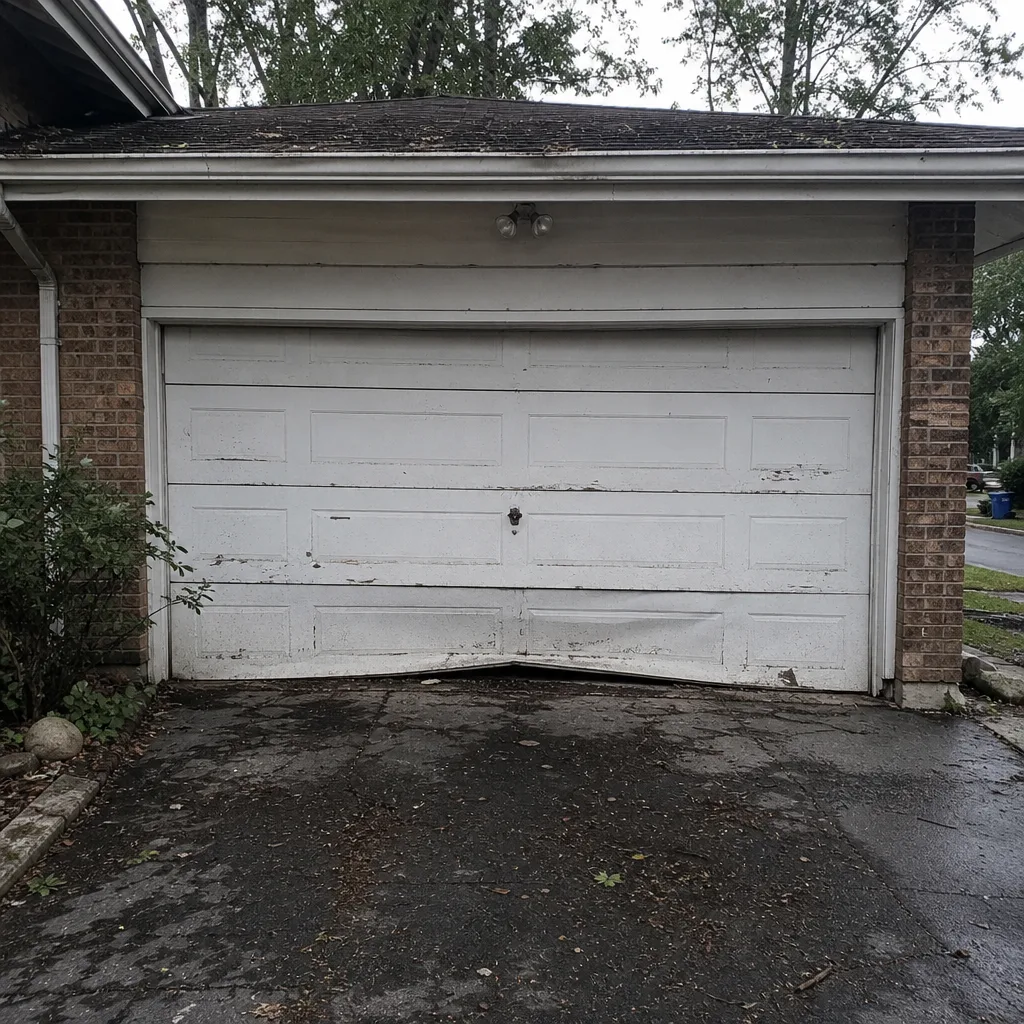 Before
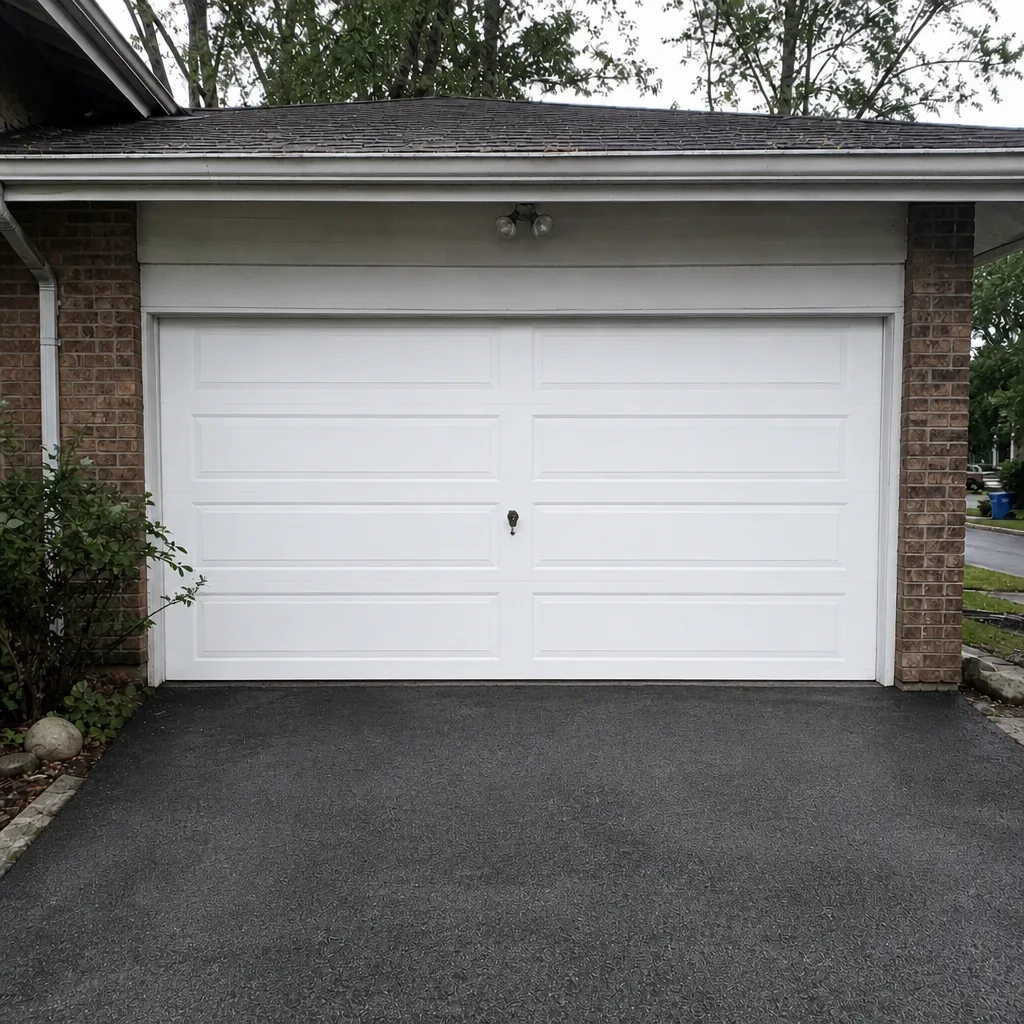 After
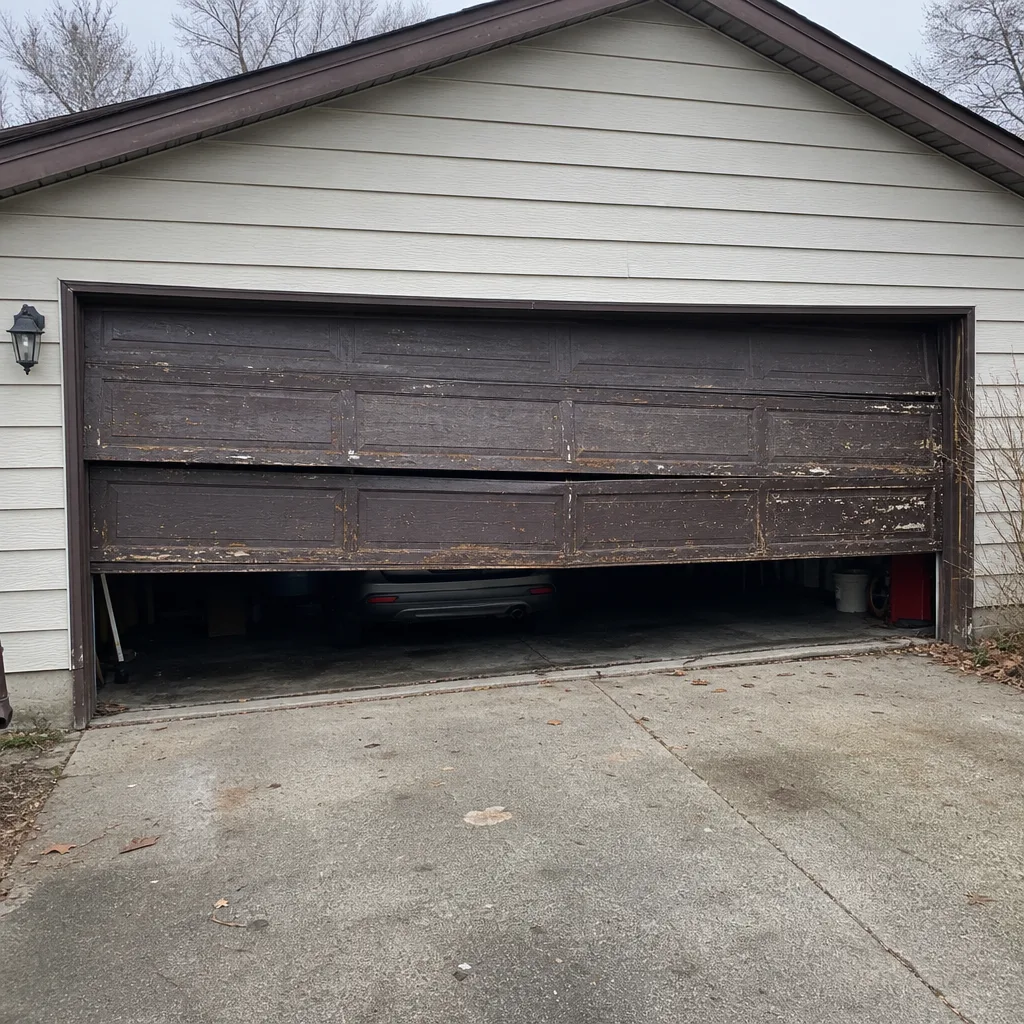 Before
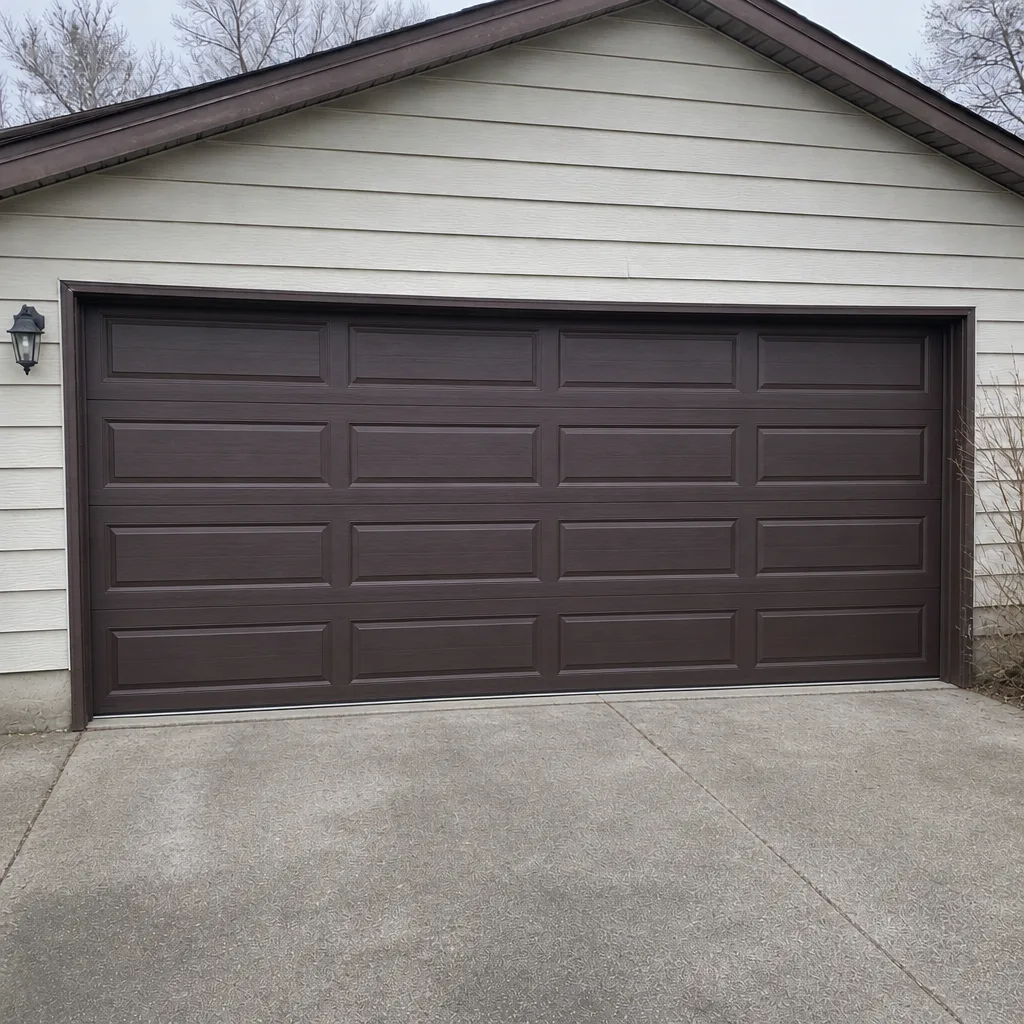 After
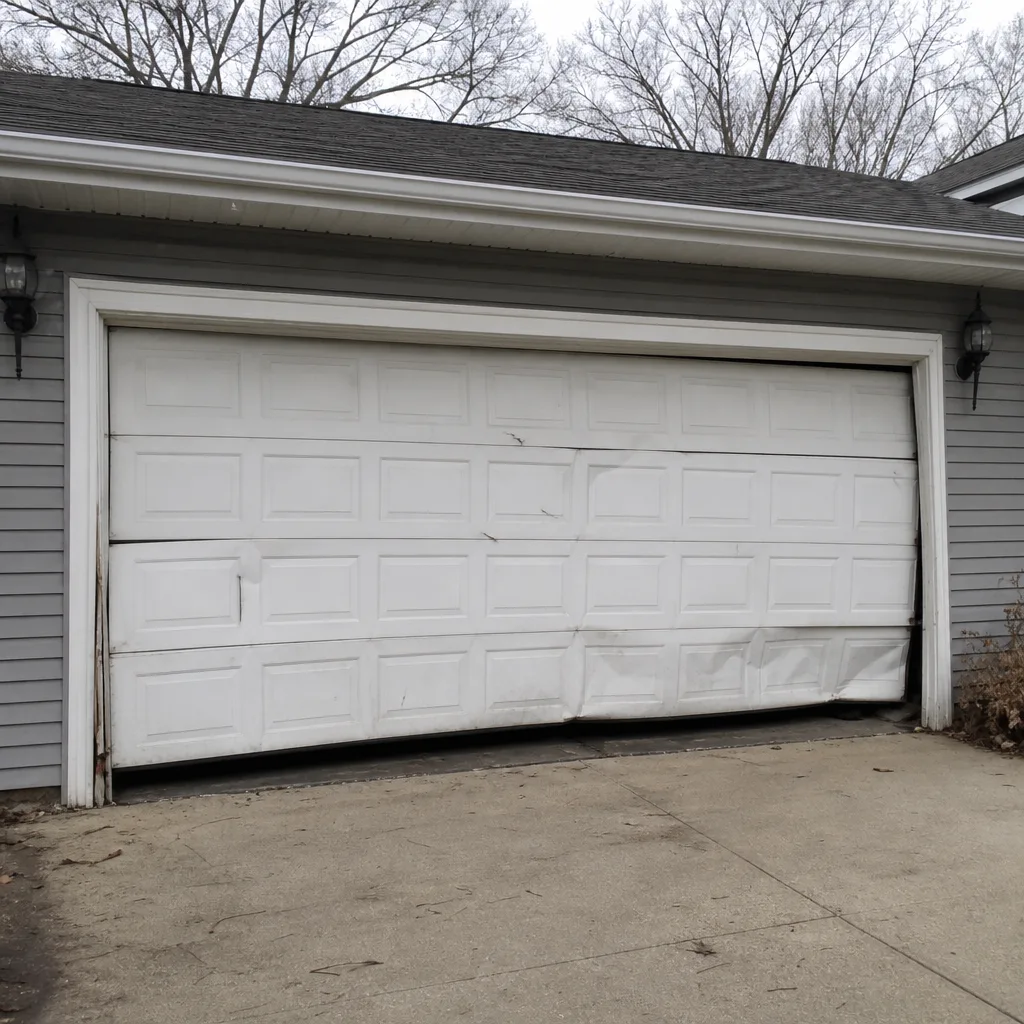 Before
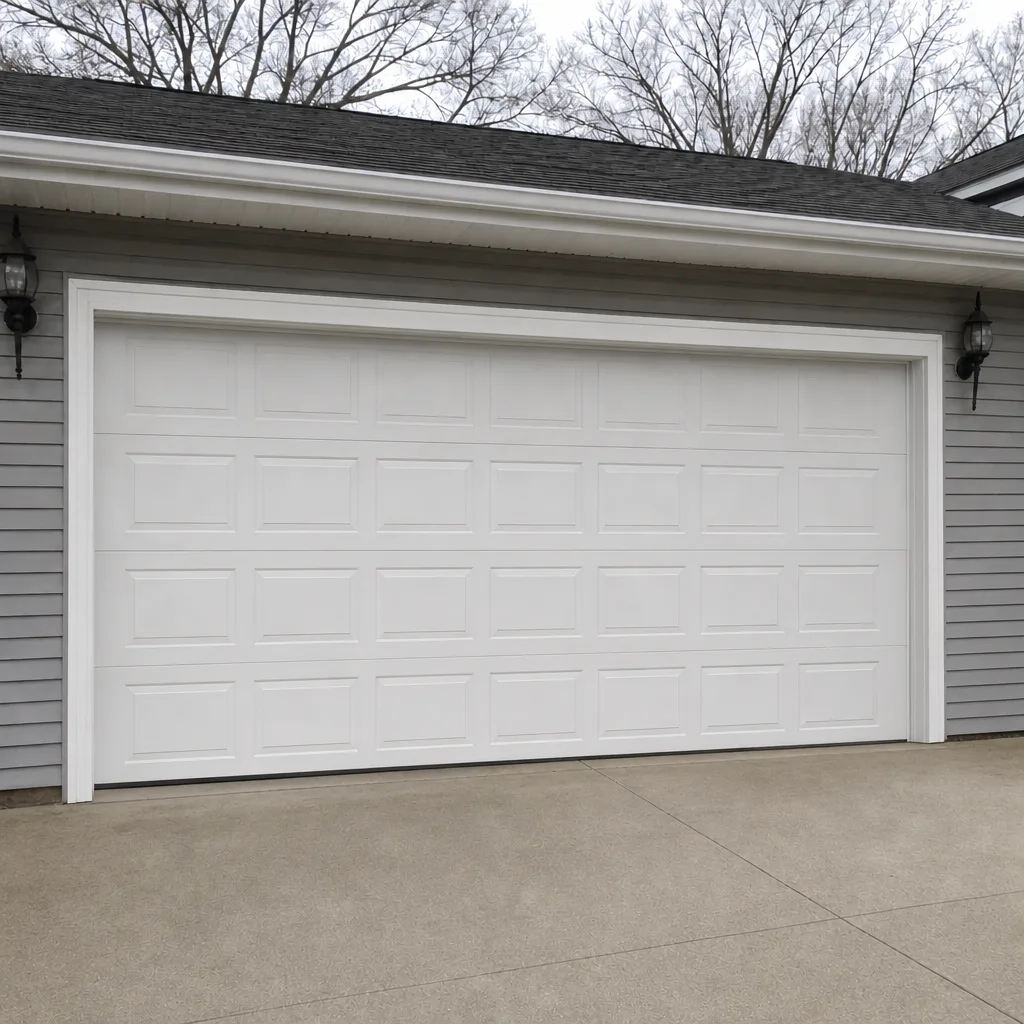 After