
Last updated November 22, 2026
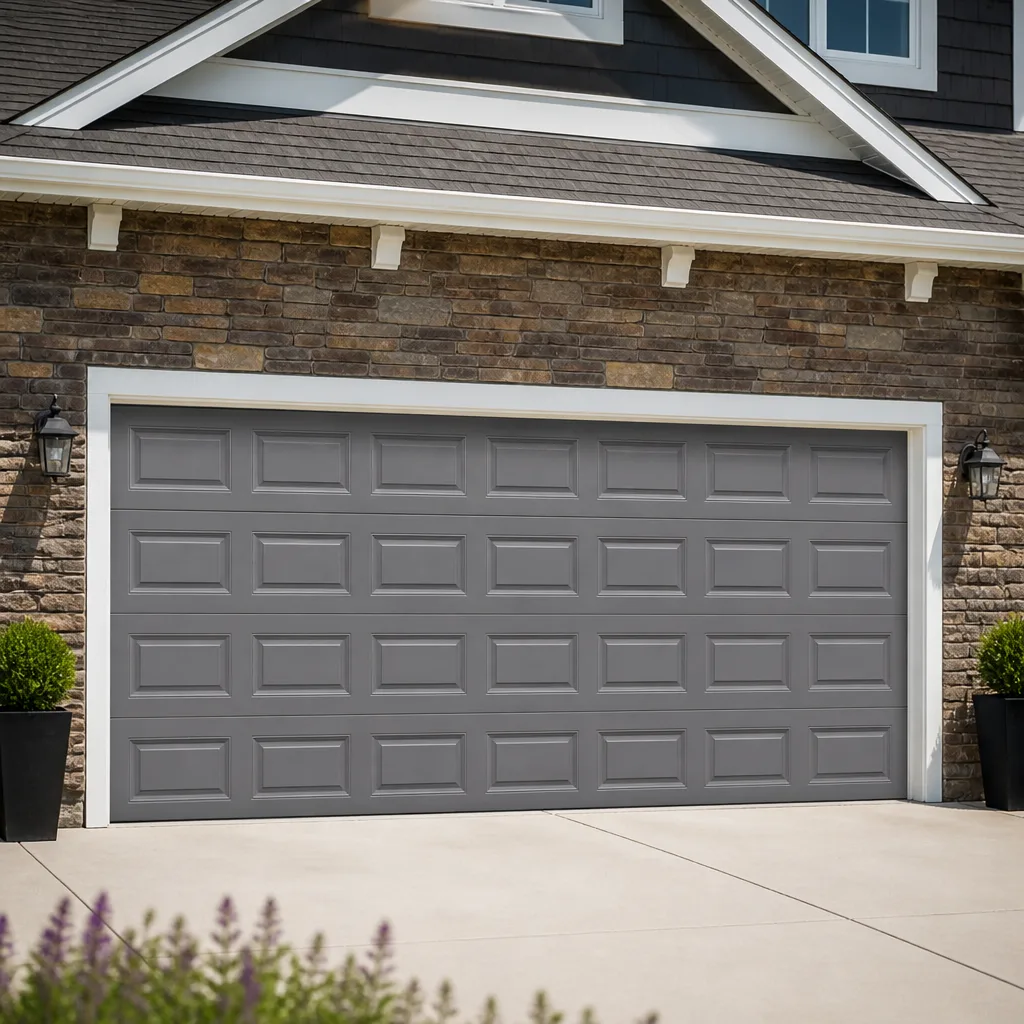 Raised-panel steel
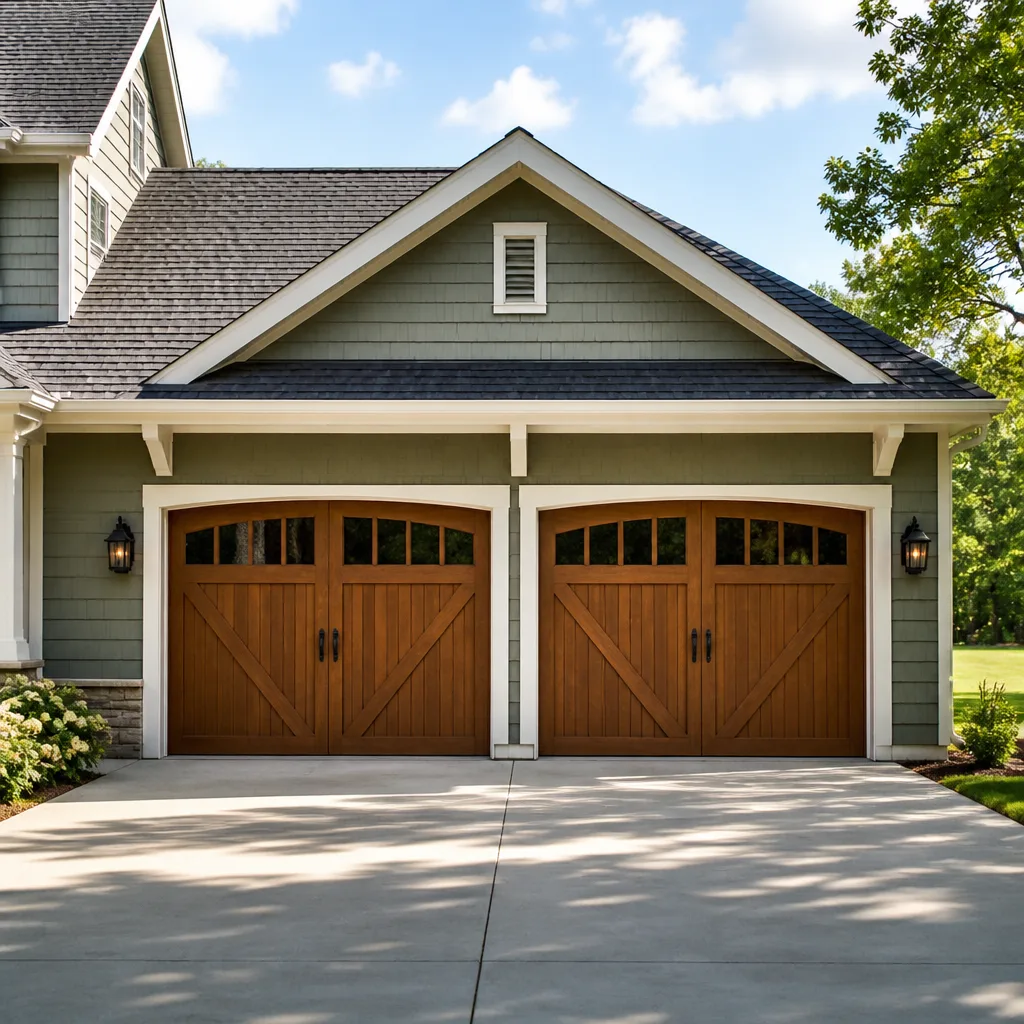 Carriage house
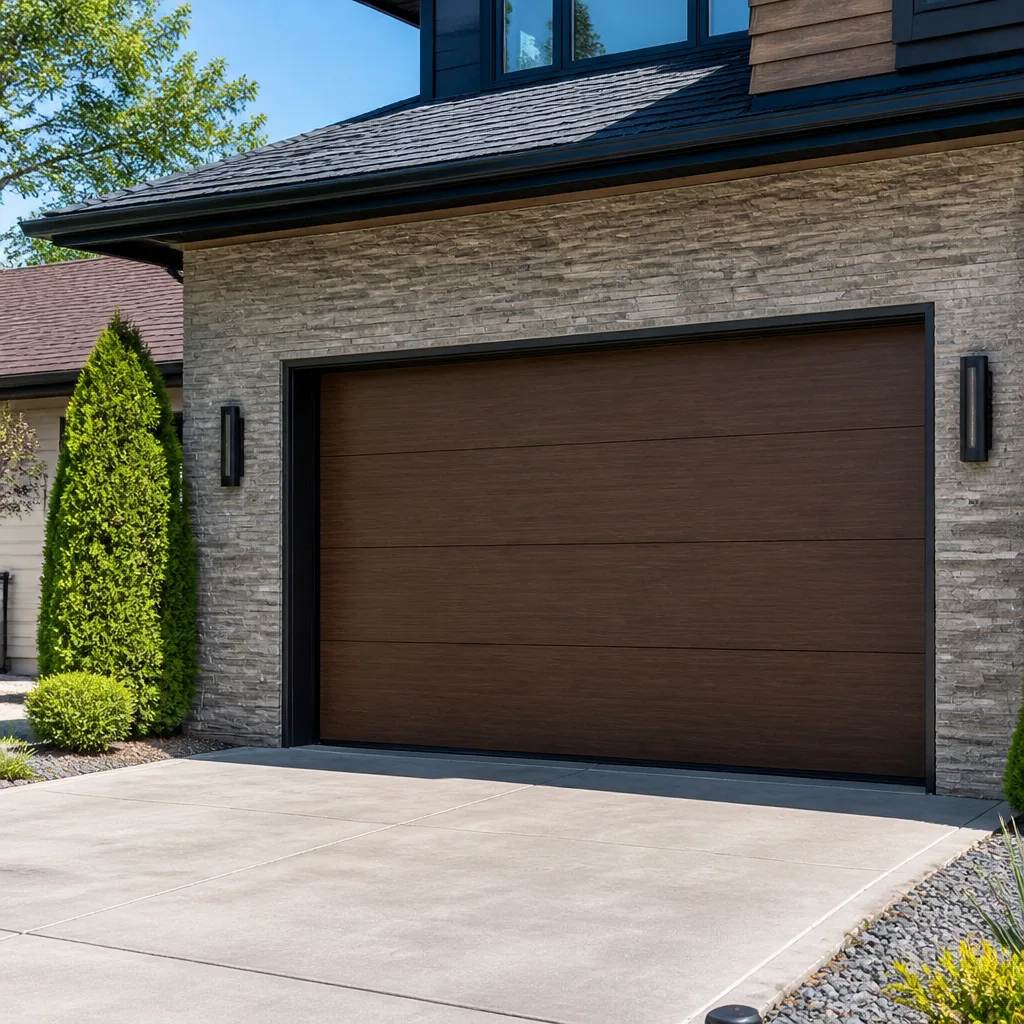 Modern flush
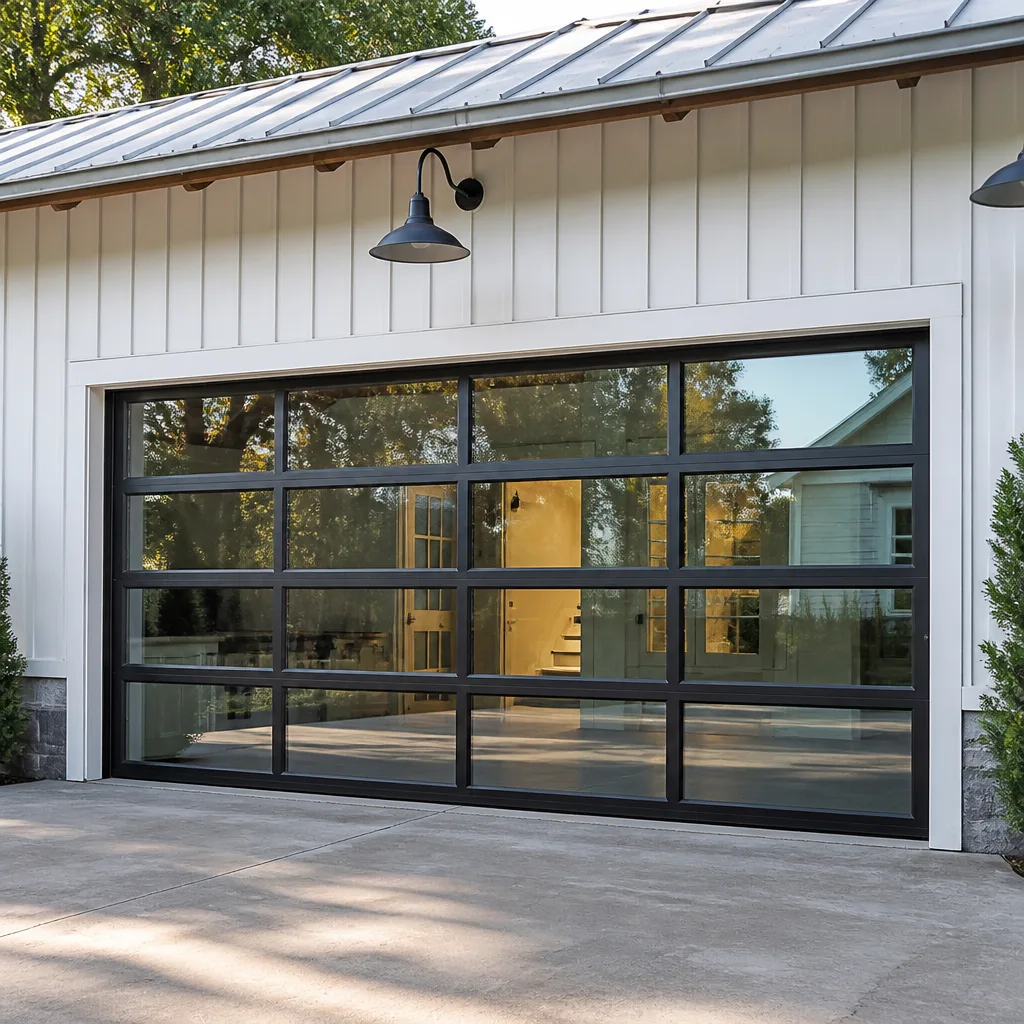 Full-view glass
 LiftMaster openers
 Chamberlain openers
Full 25-point door and opener safety check with every visit - springs, cables, rollers, tracks, and your LiftMaster or Chamberlain opener included
You get a price before we start. It does not change when the pro arrives.
Get your free estimateDIY vs Professional Garage Door: The Downers Grove Homeowner’s Decision Guide
Most advice about garage doors falls into one of two camps: “never touch it, call a pro” or “anyone can fix this with a YouTube video.” Both are wrong. The real question isn’t whether you’re handy enough. It’s whether the specific task in front of you has a risk that scales with experience, or one that doesn’t. Replacing a bottom seal and winding a torsion spring both look like garage door repairs. One takes five minutes and a utility knife. The other stores enough energy to break a wrist. This guide draws that line clearly, so a capable Downers Grove homeowner isn’t talked out of jobs they can safely do, and nobody touches the ones they shouldn’t. We’ll cover owner-safe tasks with brief how-to notes, technician-only tasks with the reason why, the actual physics of a wound spring, and the DIY mistakes that create new problems.
Quick Answer
You can safely handle a surprising amount of garage door maintenance yourself: lubricating rollers and hinges, replacing a bottom weather seal, realigning safety sensors, and tightening loose brackets with hand tools. You should never touch torsion springs, extension springs, cables, or the bottom brackets those cables attach to, because those parts hold stored energy that can cause serious injury even to experienced hands. Anything involving the door’s counterbalance system, or a door that’s come off its tracks, belongs with a trained technician, which is exactly the kind of work we do across Downers Grove.
Styles & brands we work with
- Raised-panel steel
- Carriage house
- Modern flush
- Full-view glass
- LiftMaster openers
- Chamberlain openers
Table of Contents
- Where the DIY Line Actually Falls
- Owner-Safe Tasks You Can Do This Weekend
- The Physics of a Wound Torsion Spring
- Technician-Only Tasks and Why
- The Real Cost-Benefit Math for DIY
- Openers, Limit Screws, and the Wrong Lubricant
- How to Tell If a Previous DIY Attempt Made Things Worse
- What Downers Grove Weather Does to Your Door
Where the DIY Line Actually Falls
The dividing line on garage door work isn’t difficulty. It’s stored energy. Every part of a garage door system that holds tension, lifts weight, or controls a falling door has the potential to hurt someone when it releases unexpectedly. Every part that simply seals, guides, or signals doesn’t. That single distinction sorts almost every garage door task into the right bucket, and it’s the one we use when a homeowner calls us and asks whether they should attempt something themselves.
Here’s how the two columns break down:
- Owner-safe: bottom weather seal replacement, lubricating rollers and hinges, tightening loose bolts with a hand wrench, cleaning and realigning photo-eye sensors, cleaning tracks of debris, replacing a wall-mounted remote or keypad battery, checking the auto-reverse function with a test object.
- Technician-only: torsion spring replacement, extension spring replacement, cable replacement, bottom bracket and drum work, roller replacement on a door under tension, track realignment after a door has come off, panel replacement that requires rebalancing, opener gear and logic board repair, and any work on a door that won’t stay in place on its own.
Notice what lands in the safe column: tasks that either don’t touch the counterbalance system at all or only involve it indirectly. Notice what lands in the technician column: everything where a wound spring, a tensioned cable, or a door’s full weight is live while you work. A homeowner in Downers Grove who spends an afternoon on the safe column is doing real preventive maintenance. One who starts on the second column is gambling with their hands, and that’s a bet we’d rather nobody took.
What makes this worth putting in writing is that the two columns look similar on the surface. A torsion spring and a bottom seal are both rubber-and-steel parts bolted to the same door. The difference is that one is holding 150 to 300 pounds of door weight against gravity through a coiled steel bar under several hundred foot-pounds of torque, and the other is a strip of weatherstripping. If you ever find yourself unsure which column a job belongs in, the honest answer is: assume the second column and ask.
Owner-Safe Tasks You Can Do This Weekend
These jobs are within reach for most homeowners with basic hand tools and no special training. Each one takes under an hour, several take under ten minutes, and all of them extend the life of your door or catch a problem before it turns into a call. We’d rather see a Downers Grove homeowner handle these confidently than pay for a service visit that isn’t necessary.
- Replace the bottom weather seal. A cracked bottom seal lets in water, snowmelt, and cold air, and it also lets pests in. Pull the old seal out of its channel with pliers, cut the new one to length with a utility knife, and press it back into the channel by hand. No tools beyond a knife. This is the single highest-return maintenance task on a garage door in our climate.
- Lubricate rollers, hinges, and the torsion bar bearings. Use a lithium-based garage door lubricant, not WD-40 and not motor oil. Spray the hinge pivots, roller stems (not the roller wheels themselves on nylon rollers), and the torsion bar bearing plates once or twice a year. This quiets the door and takes load off the opener.
- Realign the safety sensors. If your door won’t close and the opener light flashes, the photo eyes are usually the cause. The two sensors at the bottom of your tracks need to point directly at each other. Loosen the wing nut on each bracket, aim the sensor at its partner until its indicator LED goes solid, and tighten. A lens wiped with a dry cloth fixes a surprising number of these.
- Test the auto-reverse. Lay a two-by-four flat on the floor in the door’s path and close the door. It should reverse on contact. If it doesn’t, the opener needs adjustment, and that’s a call.
- Tighten loose bracket bolts. Use a socket wrench or box wrench by hand. Do not use an impact driver on the hinges or the bottom bracket.
- Clean the tracks. Wipe the inside of the vertical and horizontal tracks with a damp cloth to remove grit, then dry them. Do not grease the tracks. Grease collects grit and accelerates wear.
None of these jobs require you to be under a door that’s holding itself up on a wound spring. That’s the test: if the door is in a fixed, closed position and you’re not touching the counterbalance, you’re safe. If the door needs to be propped or held at a specific height while you work on a spring or cable, stop and call.
The Physics of a Wound Torsion Spring
A torsion spring is a tightly coiled steel bar the width of the door, mounted on a shaft above the door opening. When the door closes, the spring winds; when you open the door, the spring unwinds and lifts the door’s weight for you. That stored energy is what makes the door feel light when you pull the handle, and it’s what makes the spring dangerous when it lets go.
Here’s the part most homeowners don’t realize. A torsion spring is wound to roughly 30 quarter-turns, or about seven and a half full turns, when installed on a standard residential door. That winding stores the spring’s full torque, and the torque is roughly proportional to the door’s weight. A 150-pound door on a torsion spring holds several hundred foot-pounds of stored energy in a thin steel rod. When a spring fails, that energy releases all at once. The sound is sharp and loud, and the door drops fast. Anyone in the path of the door, the spring, or the winding bars takes the hit.
The same principle applies to extension springs, the ones mounted above the horizontal tracks on older or lighter doors. When an extension spring breaks, it releases its energy as a violent recoil. Some extension springs are fitted with a safety containment cable through the center of the spring specifically to keep a broken spring from flying. Without that cable, a failed extension spring can travel several feet.
Cables are the third parts of the same system. They’re under constant tension against the spring’s force. A cable that snaps under load whips with enough force to break bone. Bottom brackets, which anchor the cables to the door, are also under load at all times; loosening a bottom bracket on a door with a live spring can force the entire counterbalance loose.
So the honest caveat: spring, cable, and bottom bracket work is genuinely dangerous, and it’s dangerous to people who know exactly what they’re doing. It causes serious injuries to homeowners every year and to technicians who skip safety steps. Winding a spring requires the correct winding bars for the spring’s diameter, knowledge of the door’s weight and the correct spring specification, and full control of a live steel bar. Wrong spring, wrong number of turns, or a slip of the bar, and the door is unsafe or the bar is your problem. This is the work we do for Downers Grove homeowners, and we’d rather you called us than got hurt trying it yourself. Our technicians have up to 8 years of experience with springs, and spring work is one of our most common calls.
Technician-Only Tasks and Why
Beyond springs, here’s the rest of the list that belongs with a trained technician, and the specific reason for each.
- Cable replacement. Cables are under constant tension from the spring. Putting a new cable on requires the spring to be relaxed first, and that means the entire counterbalance has to be safe before you touch a cable. Not a homeowner job.
- Bottom bracket work. The bottom bracket anchors the cable to the door and is under load from the spring. Loosening it without a relaxed spring can free the cable and send the bracket with it.
- Torsion and extension spring replacement. Live steel under load. Needs correct spring specification for the door’s weight, the right winding bars, and a controlled release sequence.
- Roller replacement on a door under tension. A door has to be held in a specific position to swap a roller safely. The wrong position can drop the door on its carriage or fold a panel.
- Track realignment after a door comes off. A door that’s jumped the track is usually bent somewhere, and a technician needs to find where before pushing it back. Forcing a misaligned door back into the track cracks panels and bends track.
- Opener gear, logic board, and force adjustment. Opener internals carry a lot of force and need precise adjustment. The wrong force setting either strains the door or defeats the safety reverse.
- Panel replacement that requires rebalancing. A new panel changes the door’s weight, which changes the spring balance. Skipping the rebalance shortens the opener’s life and can leave the door unsafe. For a full door replacement, our garage door repair team handles rebalancing properly.
- Any door that won’t stay in place on its own. If the door drifts down when you let go of it, the balance is wrong and the counterbalance needs attention before anyone touches anything else.
Two of these, cable replacement and bottom bracket work, are especially underestimated. Homeowners often think “it’s just a cable, it’s not the spring.” The cable is doing the spring’s work. Treat it the same way. If a cable is frayed or has snapped, call. Our garage door spring repair team handles cables as part of spring work because the two systems can’t be safely separated.
The Real Cost-Benefit Math for DIY
The cost-benefit math on the owner-safe column is genuinely favorable. On the technician-only column, it’s genuinely unfavorable, and the reason is the cost of a mistake, not the cost of the parts.
On the safe column, you’re trading a small tool cost and a bit of time for a job that would otherwise be a service call. A bottom seal kit for a standard double door is inexpensive and takes under an hour from start to finish. A can of proper garage door lubricant covers a full year of hinge and roller upkeep. A sensor realignment takes ten minutes and, in our experience, is the single most common “our door won’t close” call we get, and almost always fixable by the homeowner in the time it takes to make the call. These are the tasks where DIY makes sense, and we’re happy to have homeowners do them.
On the technician column, the math flips. A spring replacement done wrong doesn’t just fail to fix the door. It can crack panels, bend track, strain the opener, injure the person winding the bar, or worse. A homeowner who buys a “universal” spring online and winds it to the wrong number of turns gets a door that either won’t close or slams. The rework is always more than the original repair, and sometimes the door is a total loss. That’s why you’ll never hear us talk a homeowner out of replacing their bottom seal, and you’ll never hear us suggest a homeowner wind their own spring.
There’s a second form of cost that doesn’t show up on the receipt: time. A homeowner attempting a spring replacement for the first time will spend hours researching, buying the correct winding bars, and stopping midway because the door feels wrong. That’s not a savings. It’s a delay on getting the door working. In our experience, the homeowner who calls us when the spring snaps gets their door back in operation far faster than the homeowner who tries a YouTube repair, and the actual cost is close enough that the choice usually comes down to risk.
Openers, Limit Screws, and the Wrong Lubricant
Opener adjustment is where the most common DIY mistakes happen, and both of them share a root cause: the homeowner isn’t sure what the dial or screw actually controls. Craftsman, LiftMaster, Chamberlain, and Genie openers all have slight variations, but the fundamental logic is the same: there’s a limit setting for how far the door travels up and down, and a force setting for how hard the motor pushes before giving up. Homeowners often turn the limit screw in the wrong direction because they’re troubleshooting the wrong symptom.
Here’s what that looks like. The door doesn’t close all the way, so the homeowner turns the down-limit screw in, the door travels further, and now it’s crushing the seal or straining the opener against the floor. The actual cause was usually a sensor out of alignment or a bad bottom seal. Over-tightening the limit screw creates a new problem, and it’s the single most common DIY error we’ve had to correct when we get called out.
Lubricant is the other frequent mistake. Tracks should be dry and clean, never greased. Grease traps grit, grit wears through the track’s steel, and a tracked roller eventually binds. WD-40 is not a garage door lubricant, and using it displaces whatever the hinge pivot had that was working. For hinges, rollers, and torsion bar bearings, a lithium-based garage door lubricant is the right product. For torsion springs, a light coat of the same product is fine, and the door will run quieter. For tracks, use a dry cloth and nothing else.
If you’ve turned a limit screw and the door isn’t behaving, or you’ve greased a track and the door is starting to bind, stop adjusting and call us. We diagnose openers by brand across Craftsman, Chamberlain, LiftMaster, Genie, Clopay, Amarr, Wayne Dalton, and Raynor, and a garage door opener repair visit is usually faster than undoing the wrong adjustment.
How to Tell If a Previous DIY Attempt Made Things Worse
We get called to plenty of doors where a previous repair has left the system harder to diagnose than the original problem would have been. That’s not a criticism of the homeowner; it’s a practical reality of how garage doors work. The good news is that a technician can usually sort out what happened in the first fifteen minutes, as long as you tell them what’s been done.
Signs a previous DIY attempt is in play:
- The door travels past the floor and the motor keeps running for a second before shutting off. That’s an over-tightened down limit.
- The door reverses immediately when it starts to close, even with nothing in the path. That’s usually a force setting pushed too high or a sensor that’s been repositioned.
- The door is significantly louder than it was before the repair. That can be a misaligned roller, a bent track from prying, or a wrong lubricant on the tracks.
- A hinge or bracket has a bolt that’s been stripped or a hole that’s been widened. Hand-tightened repairs don’t do this; impact drivers do.
- The door won’t stay in place when you let go of it partway up. That’s a balance problem, and it can be caused by a roller replaced with the wrong size or a panel that’s been swapped without rebalancing.
- There’s a spring that looks like the right size but the door is unusually heavy or slams closed. That’s a spring with the wrong specification for the door’s weight.
- There are new holes, spliced wires, or aftermarket brackets anywhere on the door. None of these are inherently wrong, but a technician needs to know they’re there.
What to disclose when you call:
- What the original problem was.
- What you did to try to fix it, and when.
- Any parts you replaced, and whether you have the original on hand.
- Any tool you used that wasn’t a hand tool.
- Anything that’s changed since your attempt, even if it seems unrelated.
We’d rather hear it straight than walk into a door and find surprises halfway through a diagnosis. That’s part of why we ask.
What Downers Grove Weather Does to Your Door
The Downers Grove climate is hard on garage doors in a specific, predictable way. Winters are cold enough to freeze a bottom seal to the concrete slab, and repeated freeze-thaw cycles in late winter crack seals faster than any other type of damage. Summer heat softens grease and warps a wood door’s frame slightly, which is why tune-ups are worth doing once in spring and once in fall. Spring is when we see the most seal replacement requests, and fall is when most of our tune-up visits get scheduled.
The other local factor is the shape of the housing stock. Downers Grove has a lot of older homes in neighborhoods like Denburn Woods and Belmont with original or second-generation garage doors that pre-date modern safety features. Some of those doors have extension springs rather than torsion springs, older openers that don’t meet current safety reverse standards, and track hardware that’s been adjusted many times over. A homeowner who’s just moved in could have a door that’s been safe for thirty years and now needs a safety check. A professional inspection for an older door in Downers Grove is worth having done once, just to know what you’re working with. If you’re not sure what year your door or opener was installed, that’s a reason to schedule an assessment rather than attempt a repair.
Hail isn’t a major factor here; the more common damage in this area is wind-driven rain that gets past a worn bottom seal and finds its way into the opener housing or the panel seams, and impact from a bicycle, lawnmower, or car bumper in a tight garage. Those tend to be panel or track problems, which are technician territory when they affect the door’s balance.
Common Mistakes to Avoid
- Using WD-40 or motor oil on hinges, rollers, or tracks. WD-40 isn’t a lubricant, and motor oil collects grit. Both accelerate wear. Use a lithium-based garage door lubricant on the moving parts, and leave the tracks dry.
- Over-tightening the down limit screw. It’s the most common DIY error we correct, and it usually masks a sensor or seal problem rather than fixing anything. If the door doesn’t close all the way, check the sensors first.
- Buying a “universal” spring. Torsion springs are specified by wire size, inside diameter, and length for the door’s exact weight. A spring that’s close but wrong shortens the opener’s life or leaves the door unsafe.
- Prying a door back onto its track. A door that’s come off the track has usually bent something. Prying it can crack panels and bend the track worse. Call instead.
- Using an impact driver on hinge and bracket bolts. Hand-tight is the right tight. Impacts strip bolts and widen holes, and that’s a repair the technician has to undo before starting the actual job.
- Replacing a panel without rebalancing. A new panel can change the door’s weight. Skip the rebalance and the opener works harder, and the door may not stay put halfway up.
- Ignoring a door that’s gotten harder to lift. In our experience, a door that’s gotten heavier over a few months usually has a spring that’s aged or a roller that’s binding. Both are worth diagnosing before something else let go.
See the difference
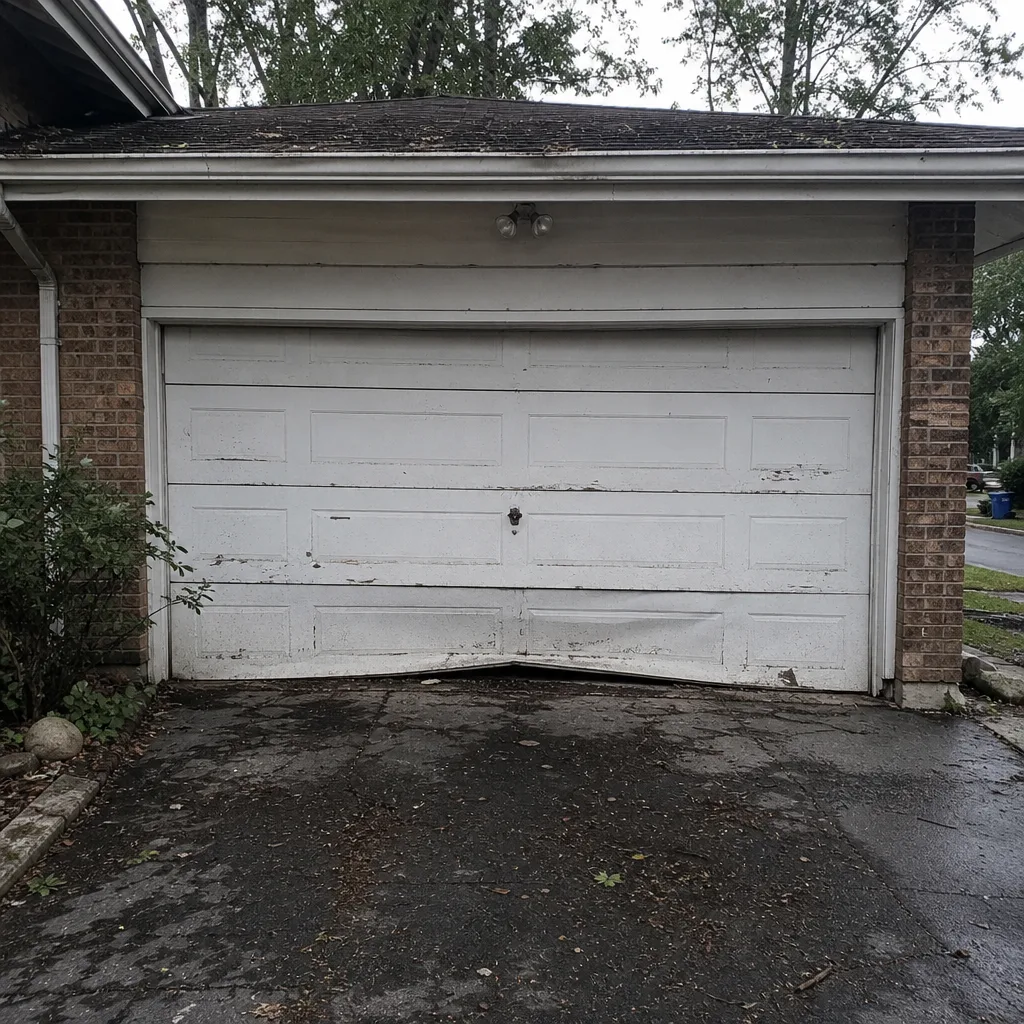 Before
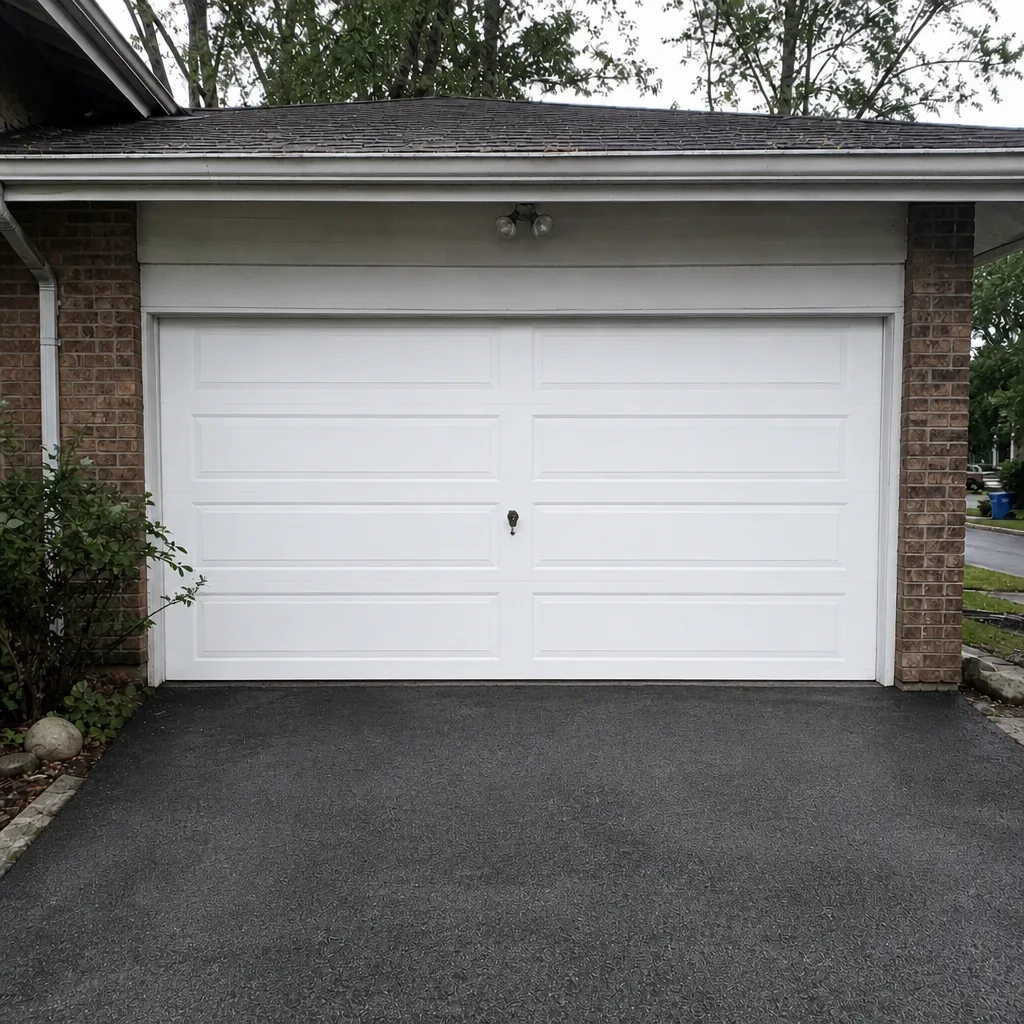 After
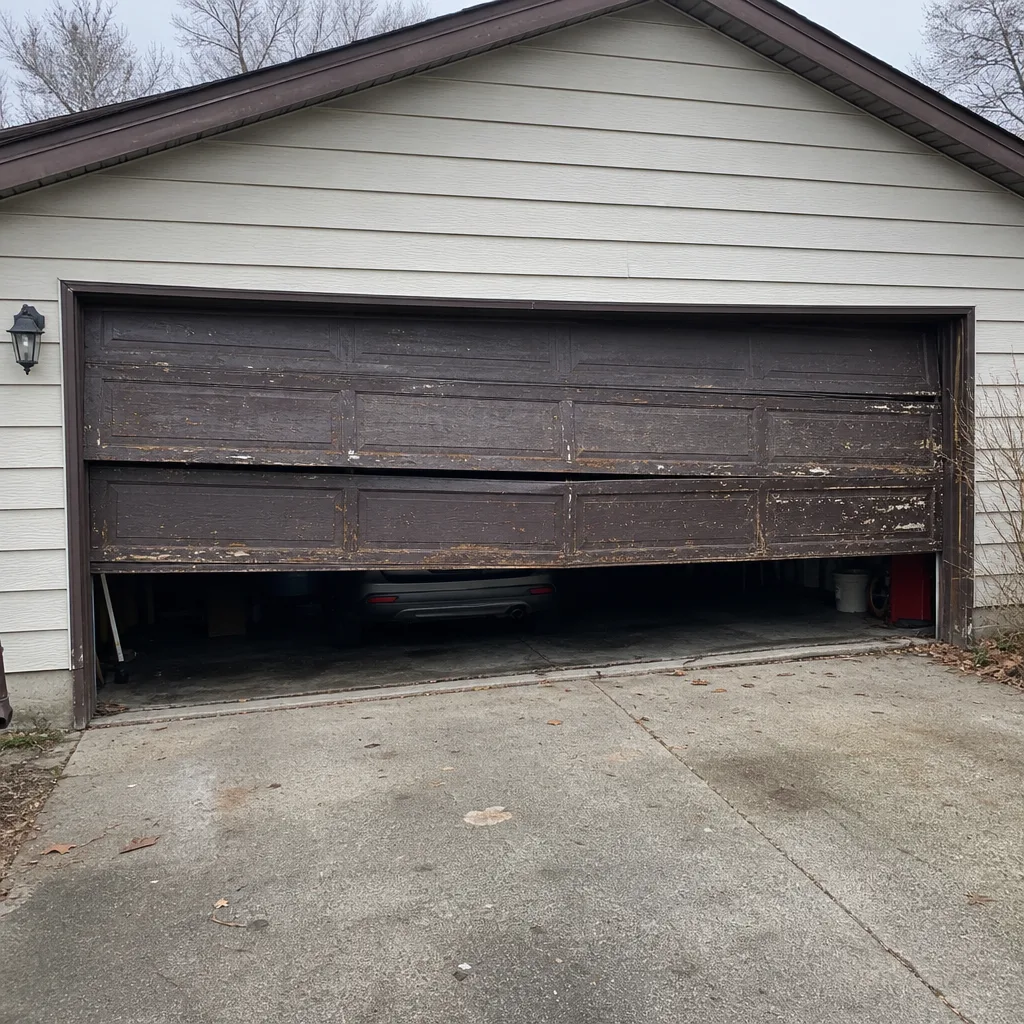 Before
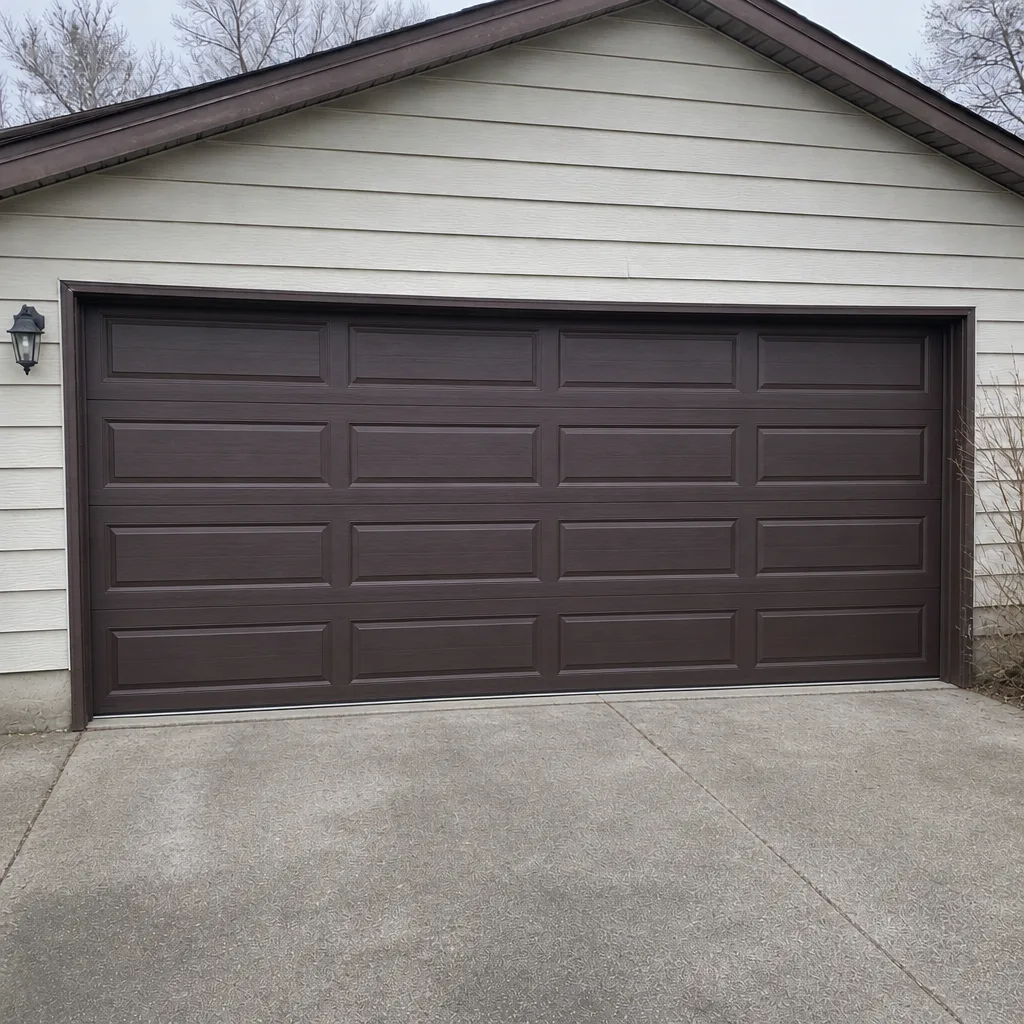 After
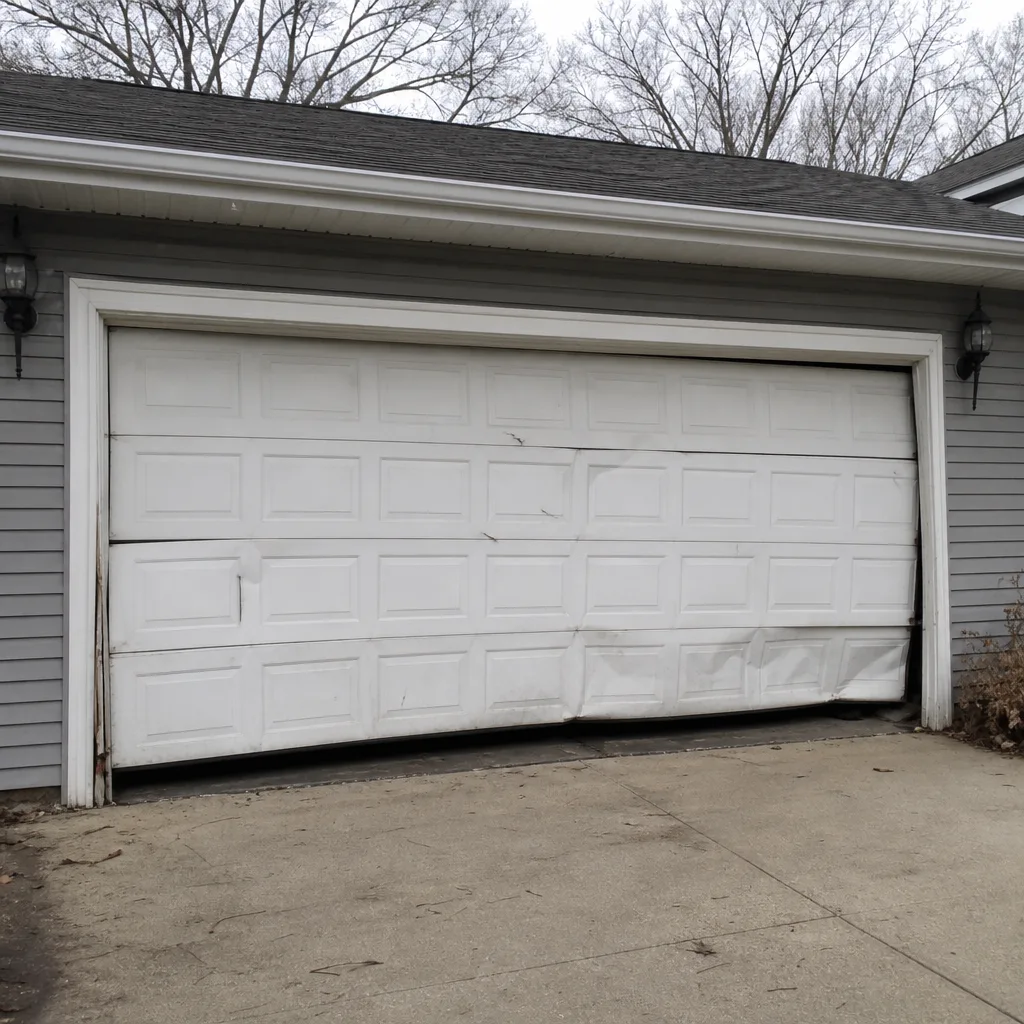 Before
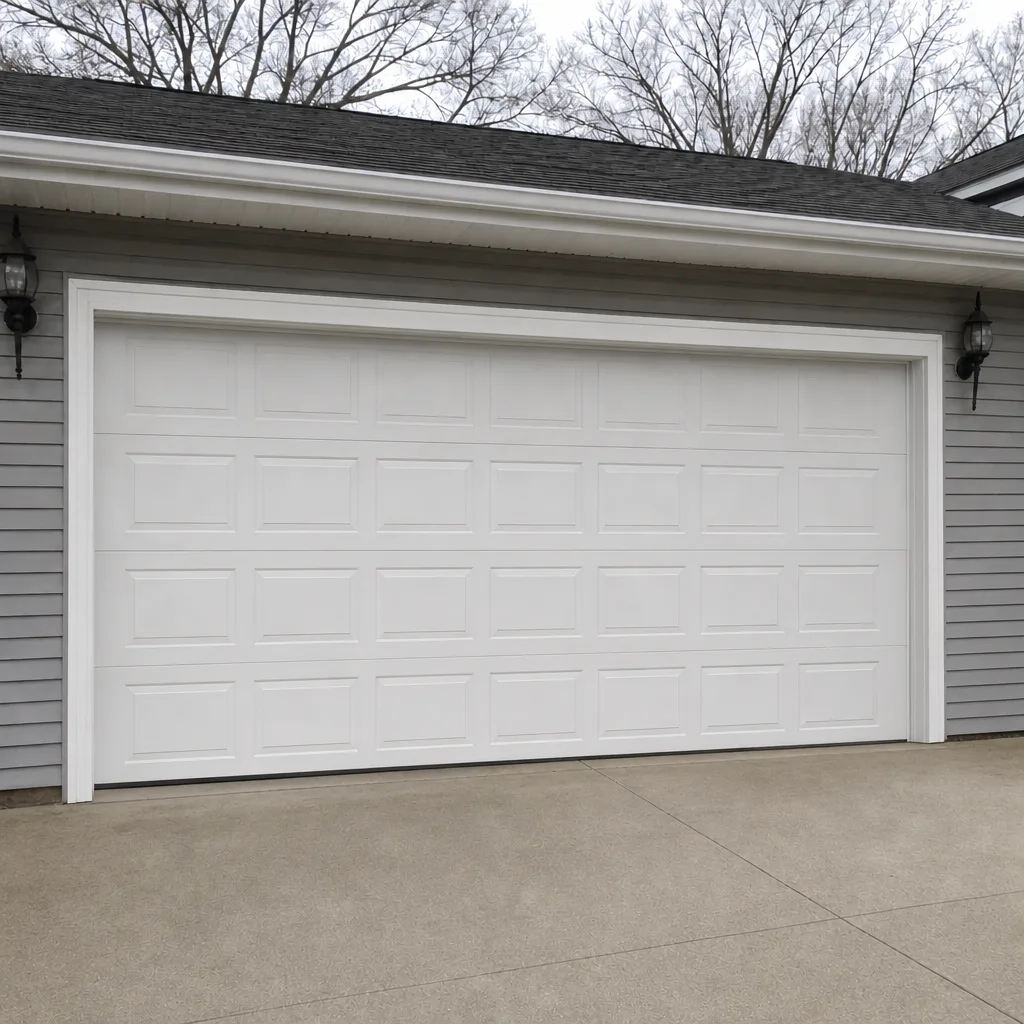 After
When to Call a Professional
Call us when any of these is true: a spring is broken; a cable is snapped or frayed; the door has come off its track; the door won’t stay in place halfway up; the opener runs but the door doesn’t move; a panel is cracked; or you’ve attempted a repair and something feels wrong. Also call if the door is stuck open with the house not secure, or if the door is stuck closed and someone needs to get a car out. Those are the ones that can’t wait. We answer 24/7. Fast dispatch from 7am to 7pm, Sunday through Friday. Same-day service is often available; if the call comes outside dispatch hours, we book it into the next opening.
Downers Grove Garage Door Repair Co offers free estimates in Downers Grove. Call (844) 967-3561. The price you agree to before any work starts is the price you pay. Our technicians have up to 8 years of experience, we work on LiftMaster, Chamberlain, Genie, Clopay, Amarr, Wayne Dalton, Craftsman, and Raynor equipment, and we handle repair, opener repair, spring repair, and full new-door installation under one call. For a wider overview of everything we cover, start at Downers Grove Garage Door Repair Co.
Frequently Asked Questions
No, and this isn’t a “we’d prefer you didn’t” answer; it’s a safety one. A wound torsion spring stores enough energy to cause serious injury, and winding it requires the correct winding bars, knowledge of the door’s weight, and the correct spring specification. The spring that goes on the door has to be the exact right size; a “close enough” spring leaves the door unsafe or damages the opener. Call (844) 967-3561 for spring repair; estimates are free.
Yes, lubricating hinges, rollers, and torsion bar bearings is a safe owner task as long as you use a lithium-based garage door lubricant, not WD-40 or motor oil. Leave the tracks dry; grease on the tracks collects grit and accelerates wear. If you’re not sure which parts to lubricate, call us and we’ll walk you through it.
Over-tightening the down limit screw on the opener. Homeowners turn it because the door isn’t closing all the way, but the actual cause is usually a misaligned sensor or a worn bottom seal. The wrong adjustment strains the opener and can crush the seal. If the door isn’t closing properly, call (844) 967-3561; free estimates are available.
No. We quote the price in writing before any work starts, and that’s the price you pay. If the diagnosis changes once we’re on-site, we tell you before doing anything else. That’s why we ask what you’ve already tried before we arrive. Call (844) 967-3561 for a free estimate.
Yes. The local professionals we connect you with are licensed and insured as their state requires. Our technicians have up to 8 years of experience across repair, spring work, opener repair, and new-door installation. Call (844) 967-3561 to schedule.
Often, yes. Same-day service is available for stuck or broken doors when the schedule allows. We answer 24/7. Fast dispatch from 7am to 7pm, Sunday through Friday. A call outside dispatch hours gets booked into the next opening. Call (844) 967-3561 and we’ll get your door back up and running.
The Bottom Line
Garage door work splits cleanly into two columns. Seals, lubrication, sensor realignment, and minor tightening are safe to handle yourself, they save real money, and they prevent calls. Springs, cables, bottom brackets, and anything that requires holding a door under tension while you work are genuinely dangerous, and no amount of YouTube confidence makes them safe. The homeowner who knows the difference gets the best of both: a well-maintained door for the price of a can of lubricant and a bottom seal kit, and a trained technician on-site for the jobs that shouldn’t be DIY. That’s our whole philosophy here at Downers Grove Garage Door Repair Co, and it’s why we’re just as glad to answer a quick question about your seal as we are to replace a spring. Call (844) 967-3561 for a free estimate.
Written by the team at Downers Grove Garage Door Repair Co.