
Last updated November 22, 2026
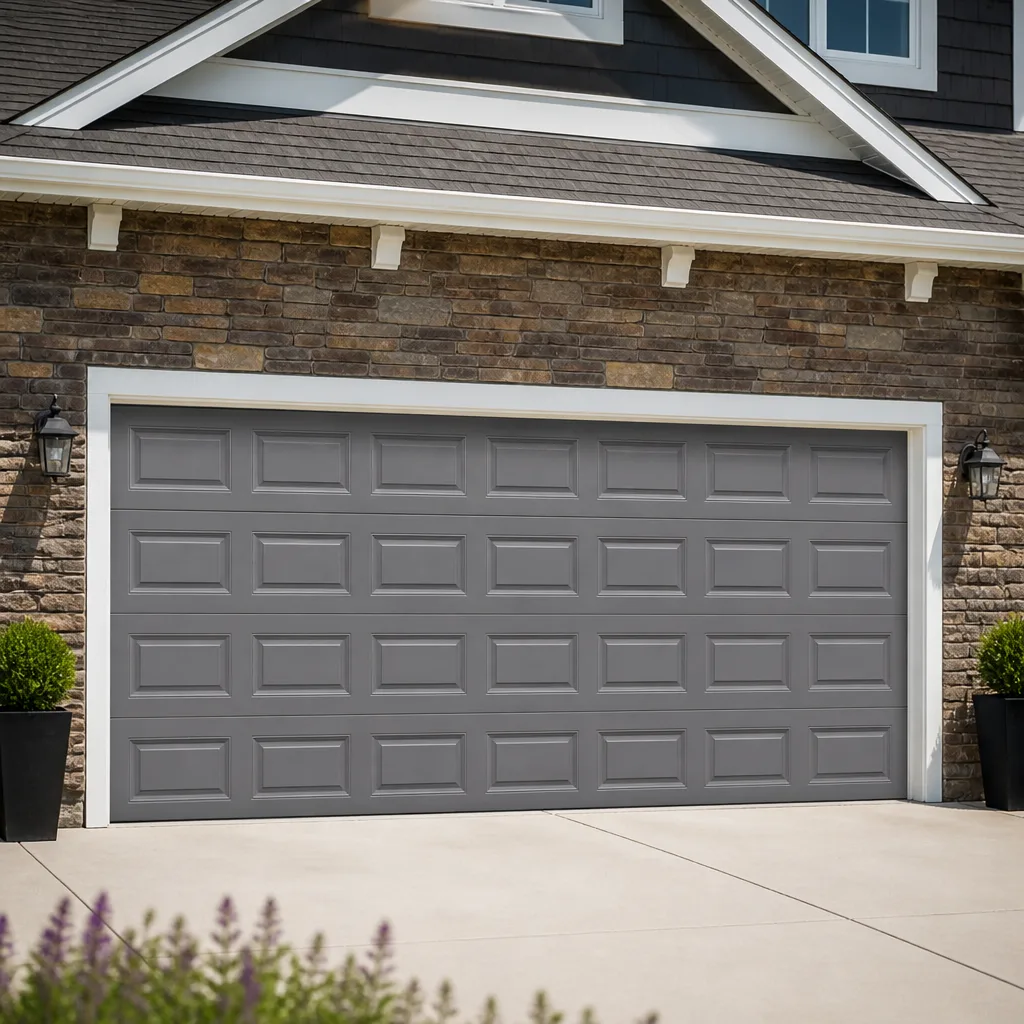 Raised-panel steel
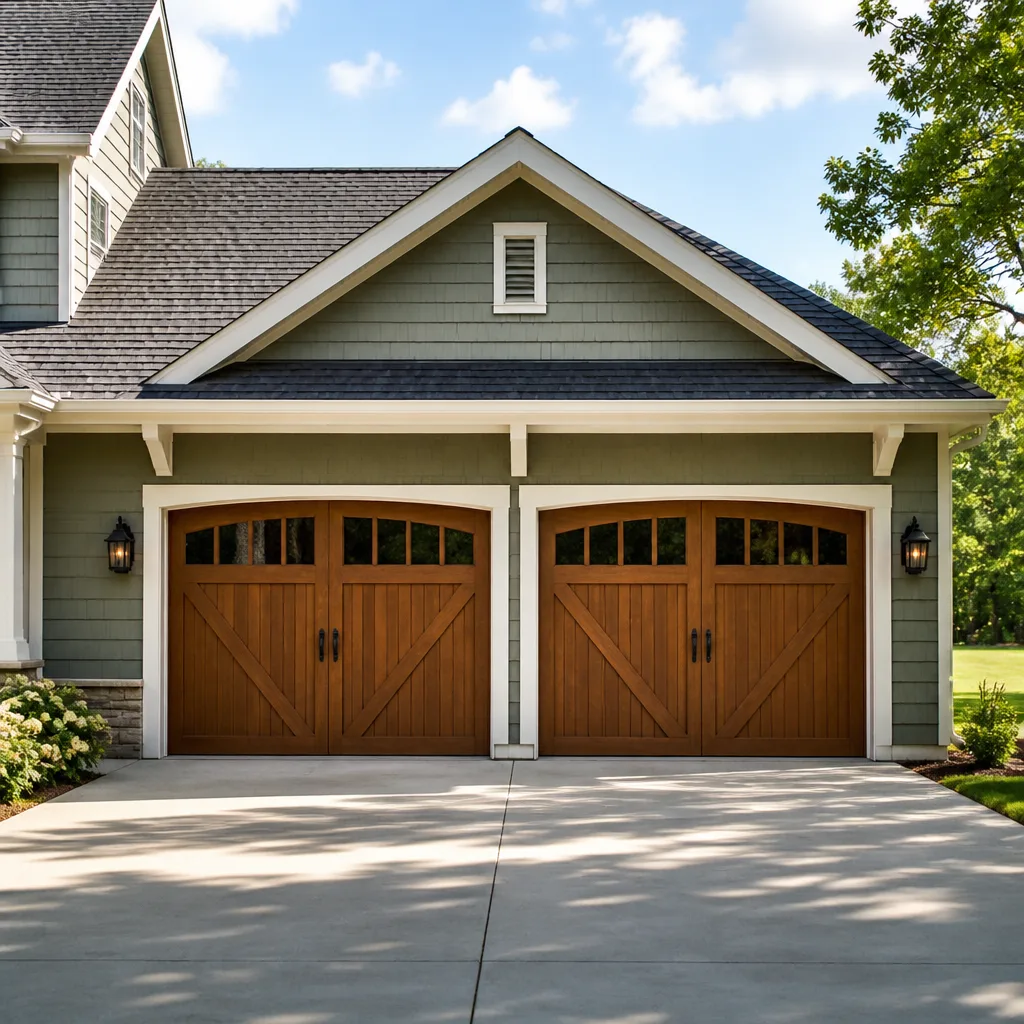 Carriage house
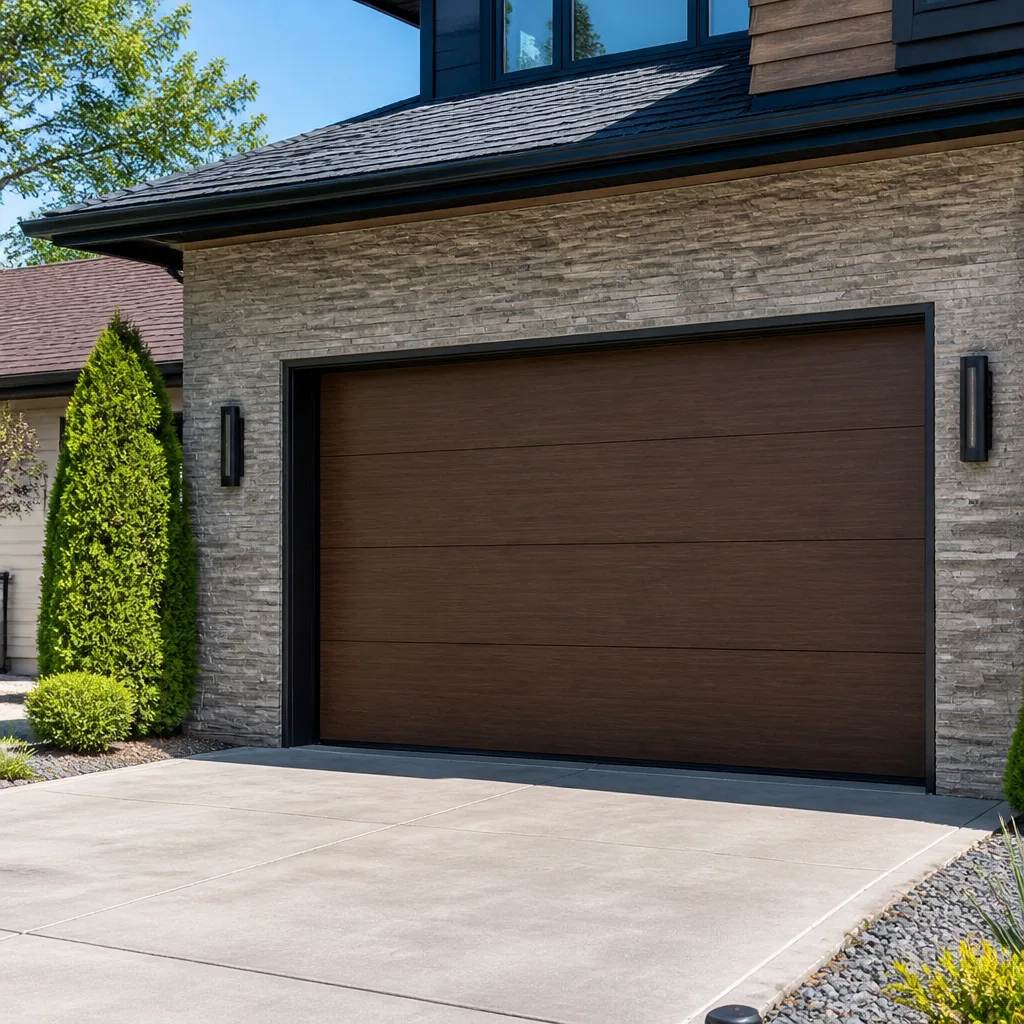 Modern flush
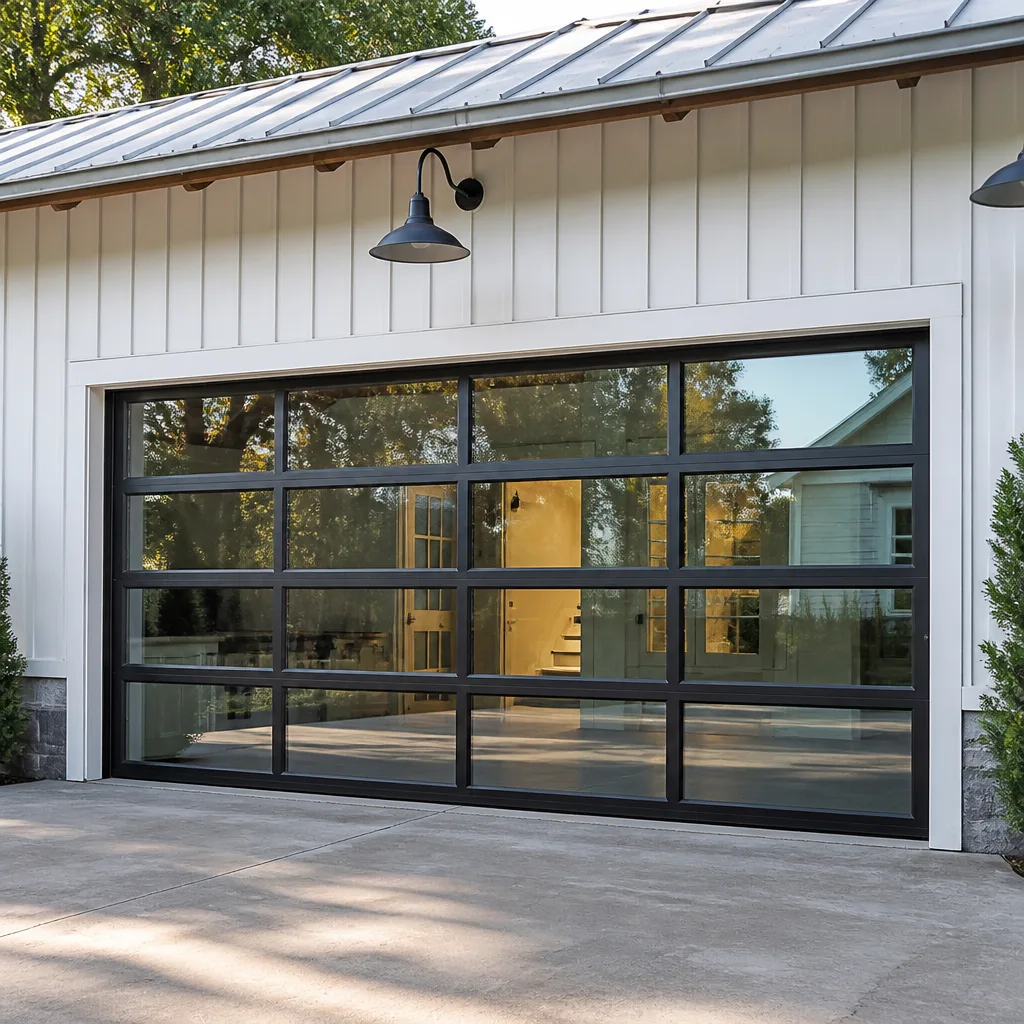 Full-view glass
 LiftMaster openers
 Chamberlain openers
Full 25-point door and opener safety check with every visit - springs, cables, rollers, tracks, and your LiftMaster or Chamberlain opener included
You get a price before we start. It does not change when the pro arrives.
Get your free estimateSeasonal Garage Door Care for Downers Grove: Year-Round Homeowner’s Guide
Most Downers Grove homeowners brace for the January cold, then relax once the worst of winter seems past. The opposite is usually true. January is when cold air contracts the steel in a torsion spring and stresses it. February is when that stressed spring actually breaks, during the thaw-and-refreeze cycles that swing the temperature back and forth across the freezing mark. Understanding that rhythm changes how you care for your door all year. This guide walks through what each Downers Grove season does to your springs, seals, tracks, panels, and opener, with a simple seasonal calendar you can save to your phone and use every year.
Styles & brands we work with
- Raised-panel steel
- Carriage house
- Modern flush
- Full-view glass
- LiftMaster openers
- Chamberlain openers
Quick Answer
Seasonal garage door care in Downers Grove means matching maintenance to what the local climate actually does: prep the bottom seal and weatherstripping before the first freeze, watch for spring stress during winter cold and the February thaw, inspect for salt corrosion and track shifts after the frost leaves, and check your opener and rollers through the humid summer. Most of this is visual inspection and light cleaning you can do yourself. Anything involving springs, cables, or the opener’s internal wiring belongs with a trained technician.
Table of Contents
- Why Downers Grove’s Climate Wears Garage Doors Differently
- Fall: Preparing Your Door Before the First Freeze
- Winter: Cold, Torsion Springs, and a Door That Won’t Open
- Spring: The Post-Winter Inspection That Matters Most
- Summer: Heat, Humidity, and Your Opener Motor
- Your Annual Seasonal Garage Door Task Calendar
- Safety First: What You Should Never Adjust Yourself
- Common Mistakes to Avoid
- When to Call a Professional
- Frequently Asked Questions
Why Downers Grove’s Climate Wears Garage Doors Differently
Downers Grove sits in a spot where several weather patterns stack up on a garage door at once. Winters bring genuine stretches of sub-zero cold, and that cold contracts steel. Springs, hinges, and tracks all shrink slightly and then expand again when temperatures rise. The real problem is the freeze-thaw cycle: the ground and the air move back and forth across 32 degrees repeatedly through late winter. Add road salt tracked in on tires and drifting onto the bottom panel, and add the higher humidity that settles into the low ground near the DuPage River and its tributaries. Each of those forces hits a different part of the door.
The wear pattern that results is fairly predictable. Torsion springs bear the cold contraction stress. Bottom panels and the bottom seal face salt corrosion and moisture. Tracks shift when the ground under the slab heaves during frost and settles again on the thaw. The opener motor works harder in humid summer heat. When we look at a door in Downers Grove, the season it’s coming out of tells us a lot about where the problem is likely to be.
This is general wear, not a red alert. A garage door is a durable machine, and most of it lasts years with basic attention. The point of a seasonal routine is to catch small issues before a small issue becomes a snapped spring or a door that won’t close all the way. If something does go wrong, Downers Grove Garage Door Repair Co handles residential doors across the village, and that includes the door you already have rather than pushing you toward a replacement.
Fall: Preparing Your Door Before the First Freeze
Fall is the single most useful season for garage door maintenance in Downers Grove, because it’s your last clean window to fix small problems before cold makes them worse. The biggest mistake we see is treating bottom seal replacement as a spring task. It isn’t. A worn bottom seal lets cold air, moisture, and salt-laden slush into the gap under the door all winter, and once the freeze arrives you’re dealing with a frozen seal, drafts, and water working its way into the door’s bottom panel. Replace or repair the seal in fall, while the weather cooperates and the door still moves freely.
Here’s the fall prep sequence that pays off all winter:
- Test the bottom seal and weatherstripping. Close the door and look for light or daylight under it. Run a hand along the bottom edge; it should sit against the floor with slight compression, not hang loose. Check the side and top weatherstripping for cracks, gaps, or a hard, brittle feel.
- Clean and lubricate moving parts. Wipe down hinges, rollers, and the track with a clean rag, then apply a garage-door lubricant made for the purpose. Skip the temptation to use ordinary grease, which attracts grit.
- Look at the bottom panel for early rust. Salt and moisture settle low. Catch small rust spots on the bottom panel now with a light sanding and touch-up, before they spread.
- Check the door balance. Disconnect the opener by pulling the release handle, then lift the door by hand to about halfway. A balanced door should stay roughly where you leave it. If it drops or rises on its own, the spring tension is off.
- Clear the tracks and the floor threshold. A leaf or a small object caught in a track can throw the door off alignment once ice forms.
Brands make little difference to the fall routine; a Wayne Dalton door and a Raynor door both respond to the same prep. What changes is the parts when something needs replacing. Knowing your door’s make and model matters when you order a new seal or a roller, so note it now if you don’t know it.
Winter: Cold, Torsion Springs, and a Door That Won’t Open
Sub-zero temperatures affect torsion springs more than any other part of your garage door. The steel contracts in the cold, which increases the tension that’s stored in the spring. If a spring was already near the end of its useful life in the fall, the added stress of a hard cold snap can finish it. The February thaw is where we see the tipping point: the temperature swings back above freezing, the spring relaxes, then the next refreeze contracts it again. All that back-and-forth cycling on a tired spring is what snaps it. If you’ve ever wondered why a spring seems to break on a mild day after a cold stretch, this is why.
When the door won’t open in cold weather, here’s what a homeowner can safely check:
- Is the opener responding at all? If you hear the opener hum but nothing moves, or hear a click and nothing happens, that’s a mechanical or opener problem, not a frozen door.
- Is the door frozen to the floor? A thin sheet of ice under the bottom seal can hold a door shut. The seal should lift free with gentle pressure, but don’t force it.
- Is the wall control or remote working? Dead door, live opener, or the reverse, quickly narrows down where the fault is.
- Check the safety sensors. Snow, salt spray, or frost on the two sensors near the floor can break the beam and stop the door from closing. Wipe them clean before assuming a bigger problem.
- Never force a door up by hand if a spring looks broken. A door with a snapped torsion spring is unsupported and can fall. If you see a visible gap in a spring, or hear a loud bang from the garage, stop and call for help.
The rule of thumb: cold weather is hard on springs, and spring work is one of the most dangerous jobs a homeowner can attempt. We handle garage door spring repair with trained technicians using the correct spring specifications for the door’s weight and size. A door that’s stuck in the winter can usually be repaired the same day. If your opener is the culprit instead of the spring, we cover garage door opener repair too. Call (844) 967-3561. We answer 24/7, with fast dispatch from 7am to 7pm, Sunday through Friday.
Spring: The Post-Winter Inspection That Matters Most
Once the last freeze passes, your door has been through a season of contraction, salt, and moisture. The spring inspection is about finding what winter left behind. Three priorities top the list: salt corrosion on the bottom panel, track alignment shifts from frost heave, and opener sensitivity recalibration.
Check for salt corrosion on the bottom panel
Road salt drifts in on tires and splashes onto the lowest panel of the door all winter. Look closely at the bottom panel and the vertical stiles running up the door’s edges. Small rust spots, bubbling paint, or a chalky look are early corrosion. Clean the area, sand lightly, and touch up the paint to stop it spreading. If the bottom panel is rusted through or has developed holes, it may need replacing rather than patching.
Look for track alignment shifts from frost heave
When the ground under the garage slab freezes and thaws, it moves. That movement can push a track slightly out of line. Stand back from the door and sight along each vertical track with your eye. The two tracks should be parallel and vertical. If one is bowed, bent, or leaning, the door will rub as it travels, and the rollers will wear faster. Don’t try to bend a track back into place yourself; an improperly aligned track can damage the door as it moves.
Recalibrate the opener’s sensitivity
Openers use sensitivity settings to reverse the door if it meets an obstruction. Cold, moisture, and the door’s own wear can throw those settings off, and a door that used to reverse on light contact might now push through an obstacle. Following the owner’s manual for your opener brand (LiftMaster, Chamberlain, Genie, and Craftsman all have slightly different settings), test the auto-reverse by placing a solid object in the door’s path. Adjust the sensitivity setting per the manual if the door doesn’t reverse correctly. If the manual’s process doesn’t restore proper function, that’s a call to a technician.
The rest of the spring checklist:
- Re-lubricate hinges, rollers, and tracks after the winter’s grit.
- Check the safety sensors and their alignment near the floor once more.
- Inspect the bottom seal again; winter can crack a seal that seemed fine in fall.
- Test the balance with the opener released, as you did in fall.
- Wipe down the door face and clean salt residue from the panels.
- Check the opener’s battery backup, if it has one, and replace remotes’ batteries if they’re sluggish.
Spring is also a good time to schedule garage door repair for anything you noticed but didn’t fix over the winter. Call (844) 967-3561 for a free estimate.
Summer: Heat, Humidity, and Your Opener Motor
Heat changes how an opener motor performs. Motors run hotter in summer, and a motor that’s working near its limit can overheat and shut down temporarily, or fail to lift the door smoothly. On a hot day, if the door stops partway and the opener feels warm to the touch, let it cool and check the opener’s manual for its duty cycle. A door with a stiff track, worn rollers, or a spring that’s out of adjustment makes the motor work harder, so the summer heat exposes mechanical issues that were mild in cool weather.
The humid months are also when roller bearings degrade fastest. High humidity near the DuPage River lowlands, combined with grit, can cause the bearings inside the rollers to seize or wear faster than they would in drier air. Listen for squealing or grinding as the door moves; that’s the rollers telling you they need attention. Re-lubricating rollers and hinges in summer helps, but a roller that’s already rough and stiff needs replacing rather than another coat of lubricant.
Summer tasks:
- Lubricate rollers, hinges, and tracks as you did in fall.
- Check the opener’s mounting hardware for loose bolts, since vibration and heat can work them loose.
- Test the manual release; it should slide easily by hand.
- Look at the door springs for any sign of rust or thinning. Springs shouldn’t be painted; the coating on a spring is part of how it’s rated.
- Clear the garage interior of anything that might block the door’s path if the opener fails and you need to release the door manually.
If the opener is struggling in the heat no matter what you check, it may simply be aged. We handle garage door opener repair and can tell you whether your current opener is worth repairing or ready for replacement. Call (844) 967-3561 for a free estimate.
Your Annual Seasonal Garage Door Task Calendar
Save this calendar to your phone, or print it and stick it on the garage wall. It’s the whole guide, reduced to a checklist you can run through in fifteen minutes a season.
| Season | Task | What to Look For |
|---|---|---|
| Fall | Test bottom seal and weatherstripping | Daylight under door; gaps; brittle rubber |
| Fall | Lubricate hinges, rollers, tracks | Smooth travel; no squeal |
| Fall | Check bottom panel for rust | Small spots; bubbling paint |
| Fall | Test door balance | Door stays where you leave it |
| Winter | Check safety sensors weekly | Snow, salt, frost blocking the beam |
| Winter | Listen for spring stress | Loud bang; gap in spring; door feels heavy |
| Winter | Keep the floor threshold clear | Nothing blocking the door’s path |
| Spring | Inspect bottom panel for salt corrosion | Rust spreading from the bottom up |
| Spring | Check track alignment | Bowed, leaning, or bent tracks |
| Spring | Recalibrate opener sensitivity | Door reverses on contact |
| Spring | Re-lubricate moving parts | Clean, smooth operation |
| Summer | Check opener motor heat | Overheating; door stopping partway |
| Summer | Inspect roller bearings | Squeal or grind; rough rollers |
| Summer | Test manual release | Release slides easily by hand |
You can run the whole calendar yourself except for anything involving the springs, cables, or electrical work inside the opener. Those are the two jobs that require a trained technician. Everything else is a visual check or a light cleaning.
Safety First: What You Should Never Adjust Yourself
Garage doors contain two genuinely dangerous components: the torsion spring system and the high-tension cables that run alongside it. Both store enormous energy. A torsion spring under load can cause serious injury if it’s released or adjusted without the right tools and training. The cables are under constant tension too. Neither is a DIY repair, and no guide can make it safe to work on them from home. If a spring is broken, a cable is loose, or the door feels wrong in any way, stop and call a technician with the right tools and hardware.
The same caution applies to the opener’s internal wiring and to the electrical connection at the wall. Anything past the plug-in point is an electrician’s job or a trained technician’s job. Homeowners who can safely work on their own doors know the boundaries: cleaning, lubricating, testing, and inspecting are safe. Removing and adjusting spring tension is not. When we work on springs, we match the replacement to the door’s actual weight and size. The specification matters; a spring that’s the wrong size for the door won’t last and won’t balance the door correctly. If a spring is broken, garage door spring repair is a job for someone with proper tools and training. Call (844) 967-3561 for a free estimate.
Common Mistakes to Avoid
- Replacing the bottom seal in spring instead of fall. A worn seal lets cold air and slush in all winter, so you want a fresh seal in place before the first freeze, not after. Deal with seal issues in fall, while the door still opens and closes easily.
- Using ordinary grease or WD-40 on hinges and rollers. Those products attract grit and dry out. Use a lubricant made for garage door hardware, and apply it sparingly.
- Assuming a cold door that won’t open needs a new opener. The spring is often the real culprit, and an opener swap won’t fix a broken spring. Diagnose the spring before you replace the opener.
- Ignoring rust on the bottom panel because it’s “only cosmetic.” Small corrosion spreads, and a rusted-through bottom panel means a full replacement of that section. Catch it in spring before it grows.
- Bending a track back into line by hand. Track alignment looks forgiving but isn’t. A bent or improperly aligned track will wear out rollers and eventually damage the door itself.
- Skipping the opener sensitivity test. The auto-reverse function is a safety feature, and if yours isn’t working, it should be adjusted per the manual before someone gets hurt.
- Waiting through the February thaw before you check springs. That’s when a stressed spring tends to fail, so check in the fall and again in late winter before the cold breaks.
When to Call a Professional
Some seasonal checks are for the homeowner, and some should go straight to a trained technician. Call us when: a torsion spring is broken or visibly damaged; the door falls or rises on its own when released; a track is bent or a roller is broken; the opener hums but doesn’t move the door; the opener’s auto-reverse fails your test; a panel is rusted through or the bottom seal needs replacing and you’re not comfortable with the hardware; or the door has stopped opening or closing properly and you can’t see why.
Downers Grove Garage Door Repair Co offers free estimates in Downers Grove. Call (844) 967-3561 to get your door checked or to get a written price for a seasonal repair. Our technicians have up to 8 years of experience with the residential brands most Downers Grove homes already have, including LiftMaster and Craftsman, so we can work on the door you already own. Whether the fix is a spring, a seal, or an entirely new door, one call covers it. Call (844) 967-3561. We answer 24/7. Fast dispatch from 7am to 7pm, Sunday through Friday.
Frequently Asked Questions
Replace it in fall, before the first freeze. A worn seal lets cold air, moisture, and road salt into the gap under the door all winter, which speeds up corrosion on the bottom panel. Check for daylight and looseness in fall. Call (844) 967-3561 for a free estimate on a seal replacement.
February brings the thaw-and-refreeze cycle that cycles spring tension back and forth on steel already stressed by winter cold. A spring that’s near the end of its life is more likely to snap during that back-and-forth than in a single cold stretch. If your spring has already broken, call (844) 967-3561 for a free estimate.
An inspection is something most homeowners can do themselves using the checklist in this guide. Repairs found during that check are quoted per job by our written estimate, and the estimate is free. Call (844) 967-3561 for a free estimate and we’ll give you a written price for any repair before work starts.
Yes, a door that won’t close or is stuck is usually repairable the same day. Call (844) 967-3561. We answer 24/7. Fast dispatch from 7am to 7pm, Sunday through Friday. A call outside dispatch hours is booked into the next opening, Sunday through Friday, 7am to 7pm.
No, the price is set by the written estimate and agreed before any work starts. We quote the job by the actual problem, not by the season. Call (844) 967-3561 for a free estimate.
The local professionals we connect you with are licensed and insured as their state requires. Our technicians have up to 8 years of experience working on the residential brands most Downers Grove garages already have, including Wayne Dalton and Raynor. Call (844) 967-3561 for a free estimate.
The Bottom Line
Downers Grove garage doors follow a seasonal wear pattern that has less to do with January’s cold than you might expect. Cold contracts springs in December and January, but the February thaw is what breaks them. Fall is when bottom seals and weatherstripping need attention, so they hold through winter. Spring is for checking salt corrosion on the bottom panel, track alignment after frost heave, and opener sensitivity. Summer heat tests the opener motor and speeds up roller bearing wear from humidity. Run the seasonal task calendar above, never touch the springs or cables yourself, and call a trained technician the moment something looks wrong. For free estimates in Downers Grove, call (844) 967-3561. We answer 24/7. Fast dispatch from 7am to 7pm, Sunday through Friday. The same company that handles your spring repair today can handle a full installation tomorrow, so you’re never juggling contractors. For more on our full range of services, see garage door repair and garage door spring repair.
Written by the team at Downers Grove Garage Door Repair Co.
See the difference
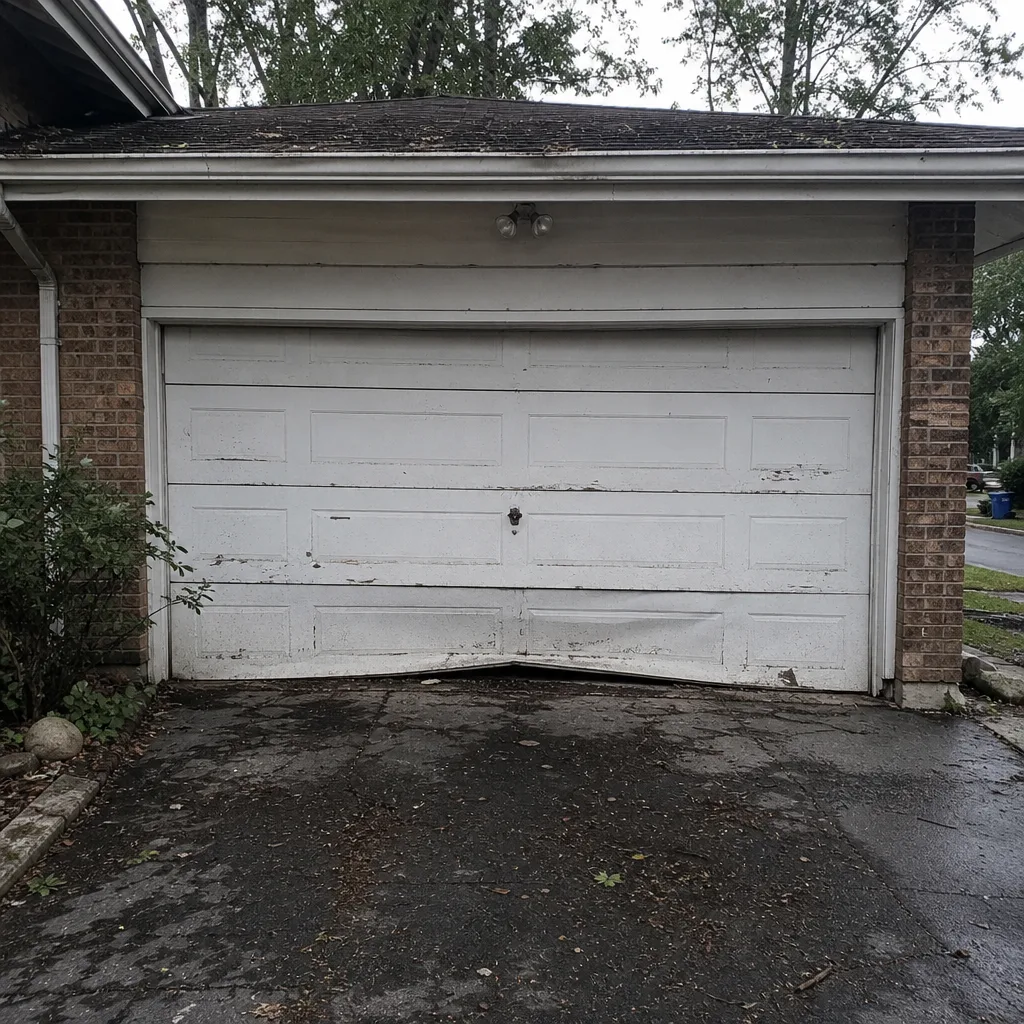 Before
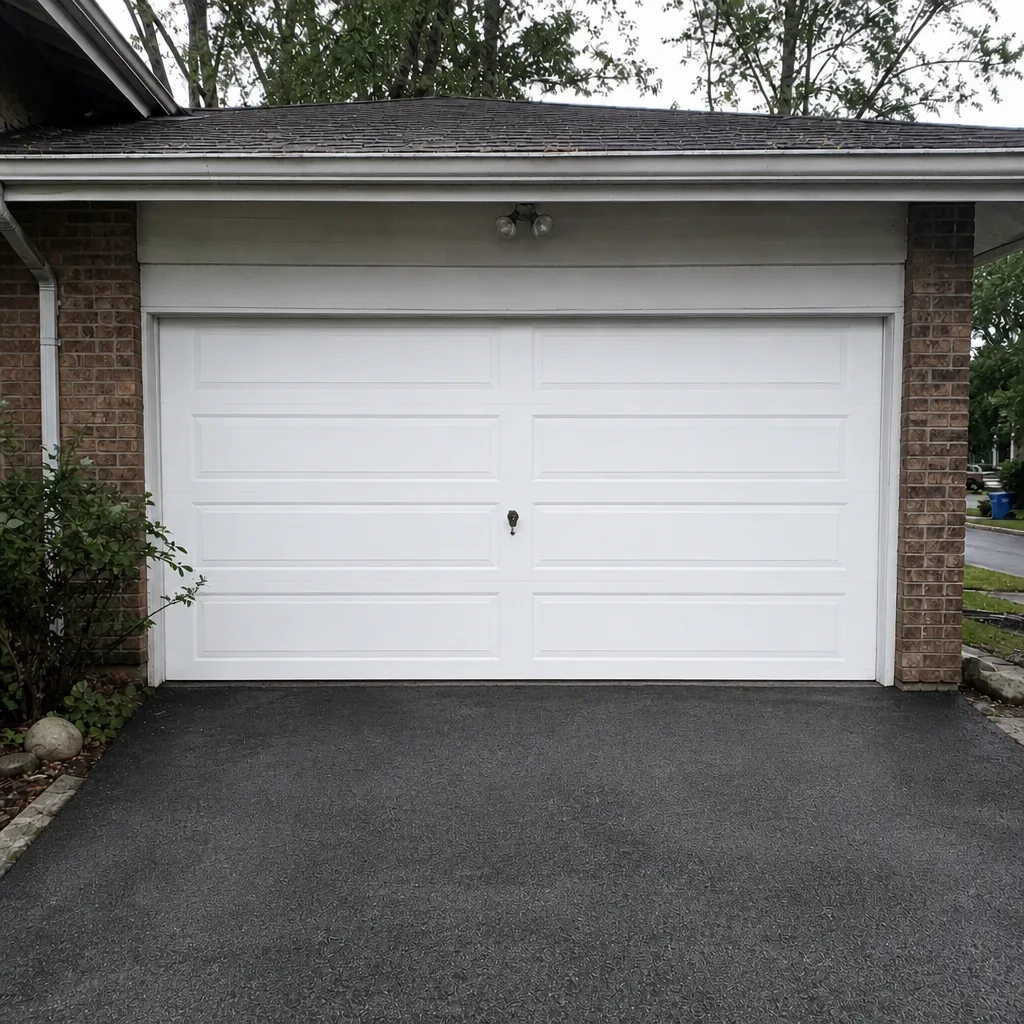 After
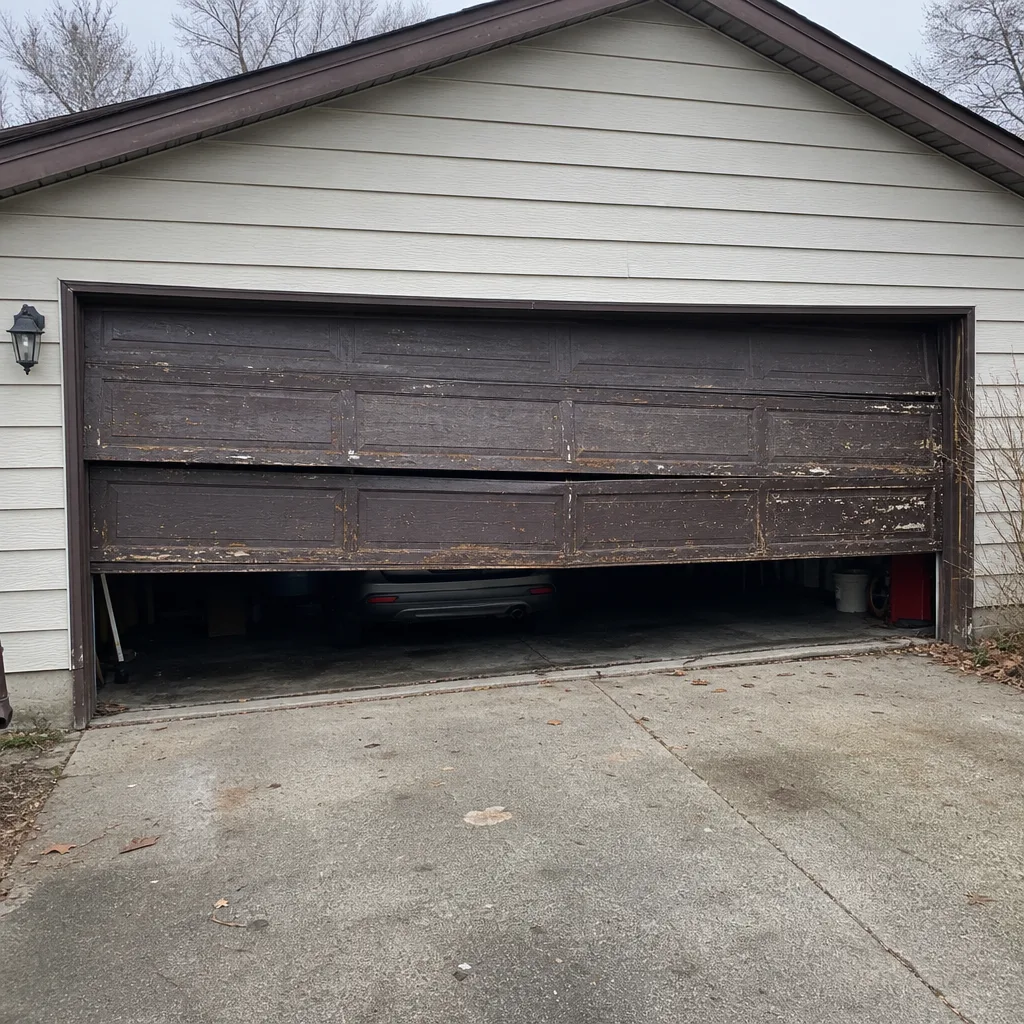 Before
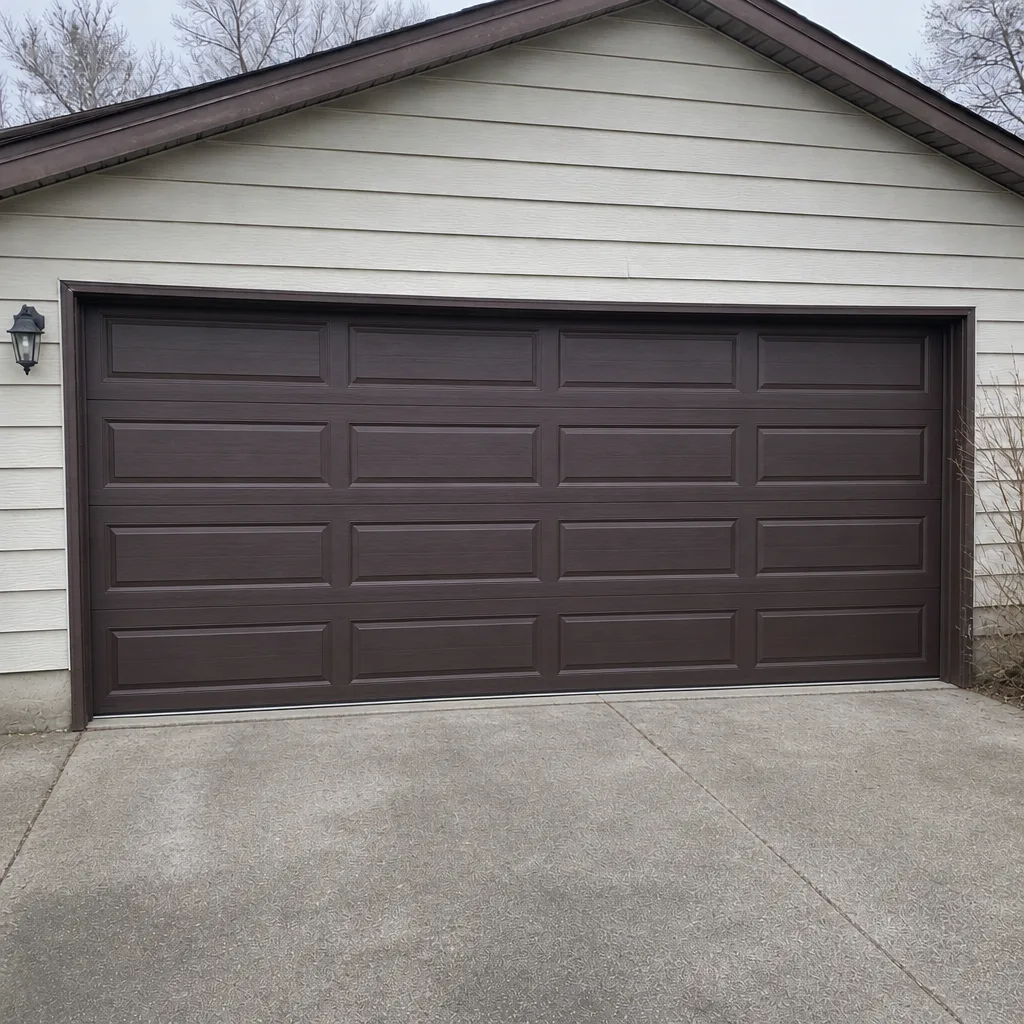 After
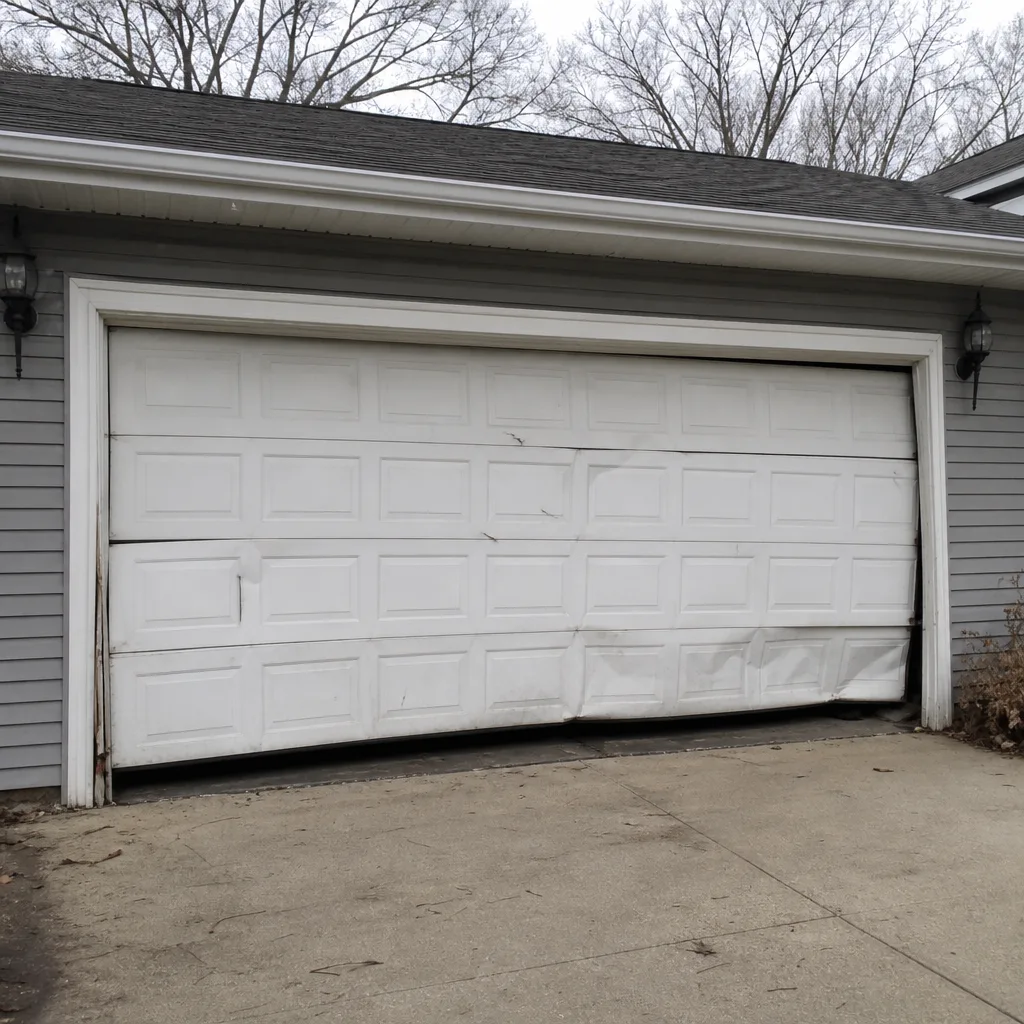 Before
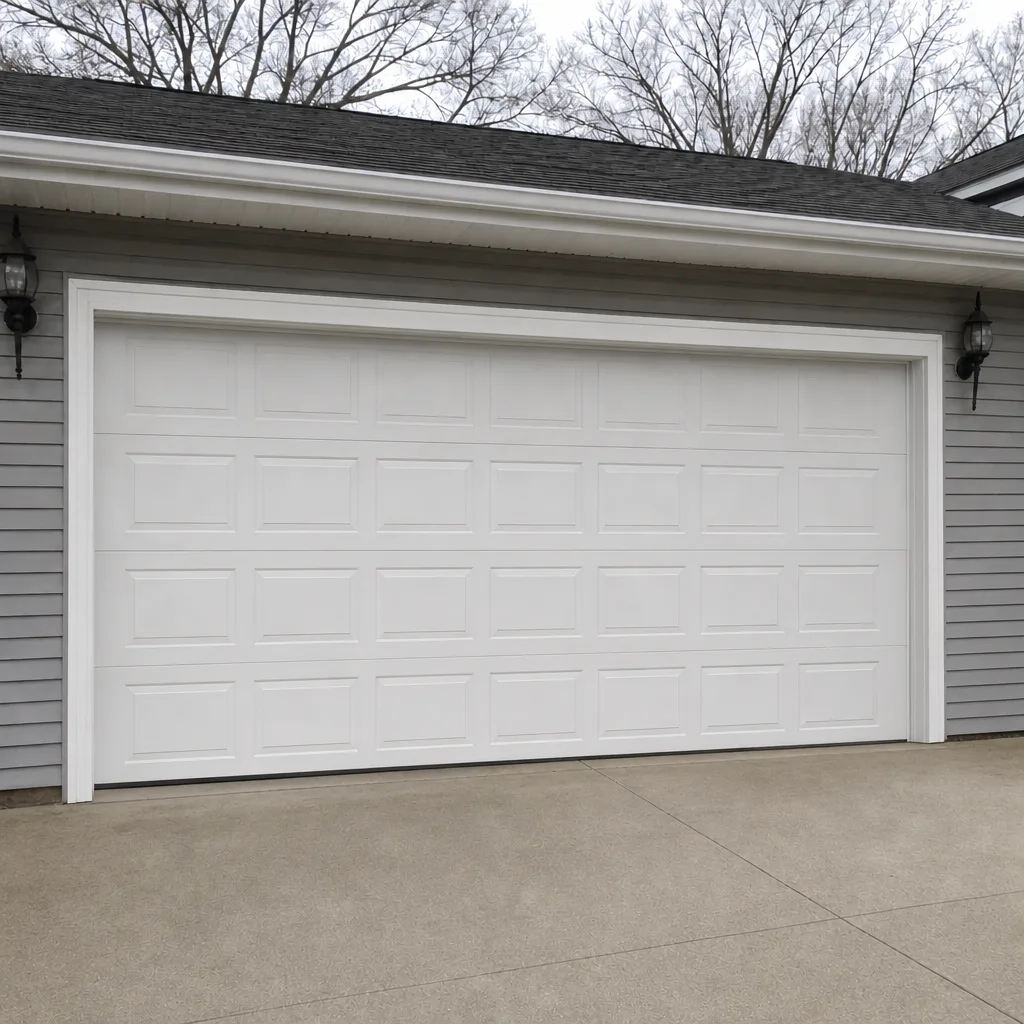 After